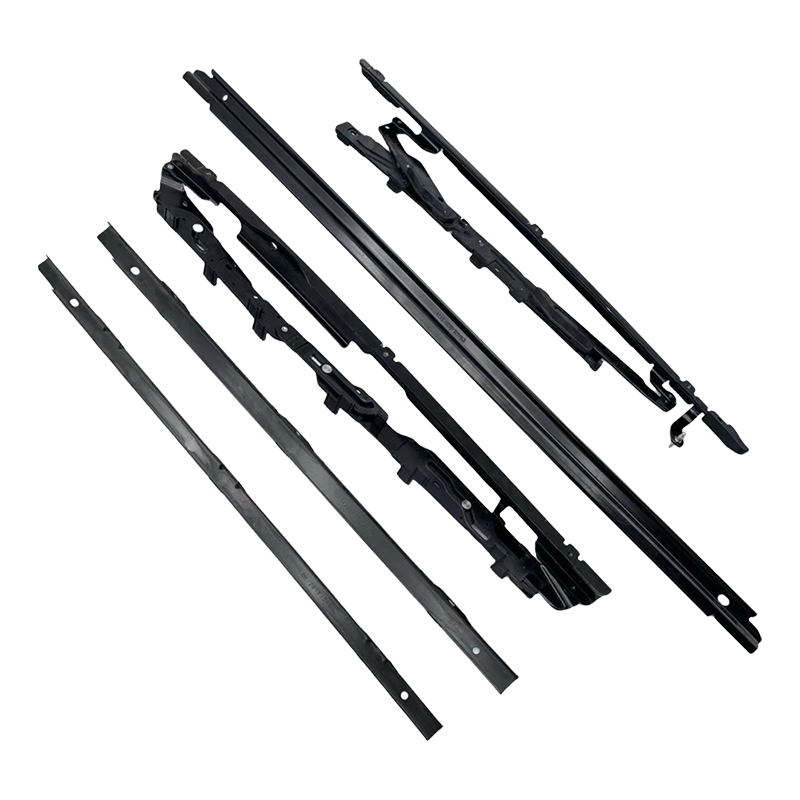
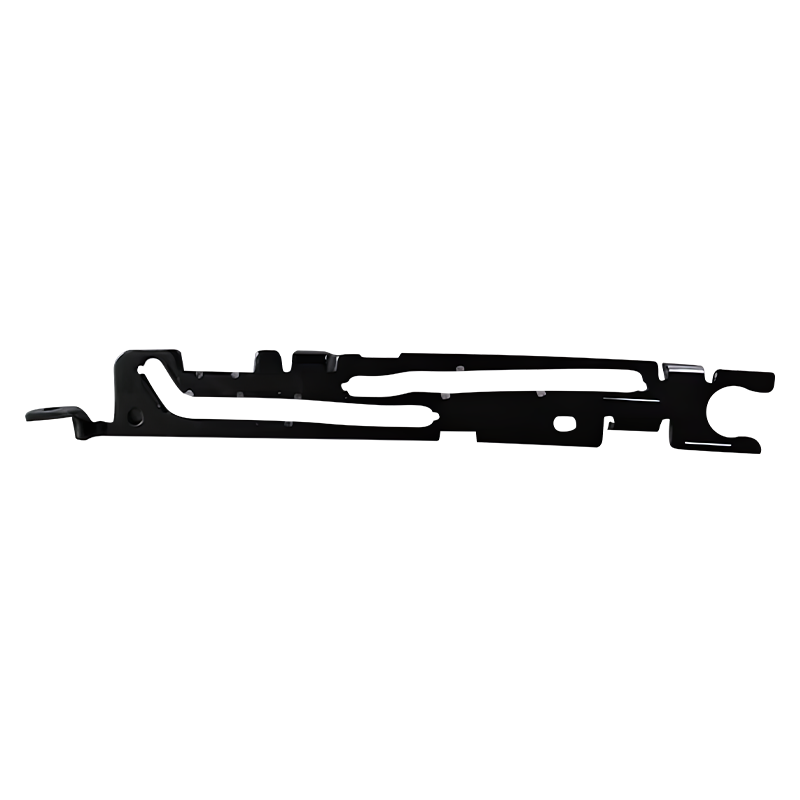
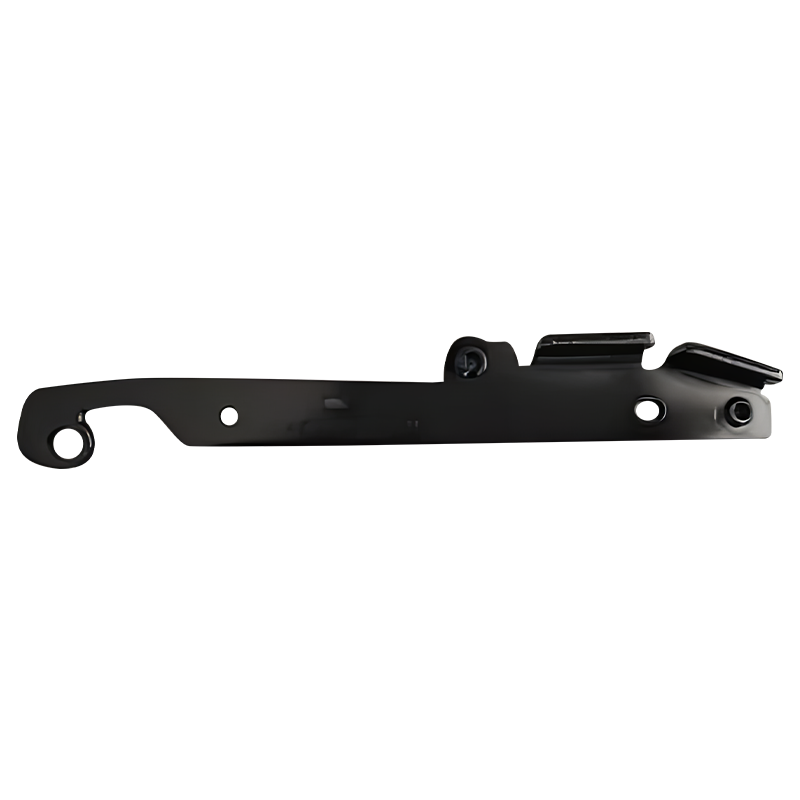
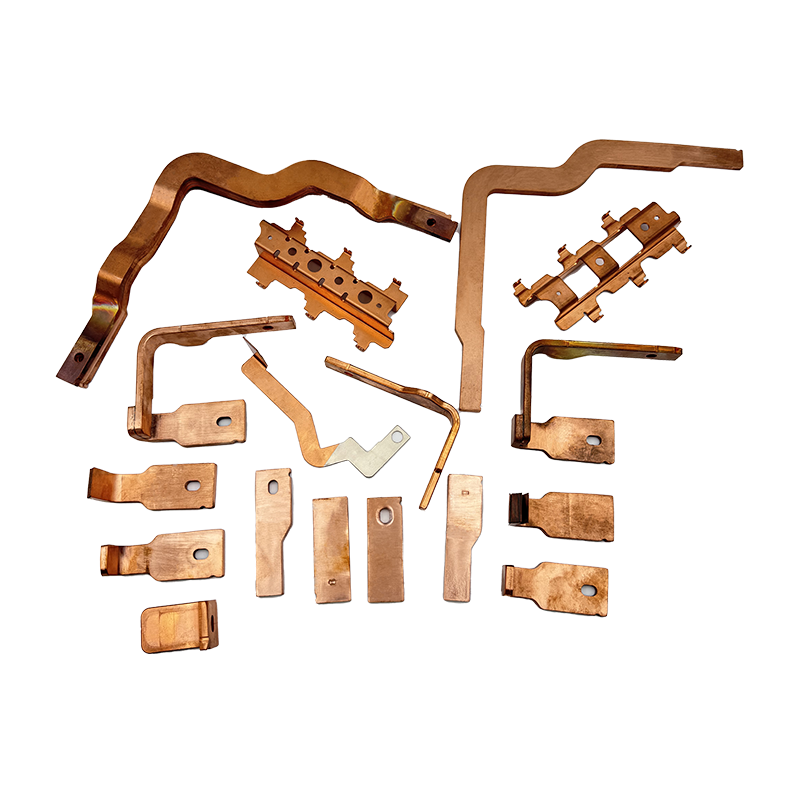
The automotive landscape is diversifying at an unprecedented rate, with a vast array of makes and models populating roads worldwide. This diversity, while exciting for consumers, presents a significant challenge when it comes to maintenance and repairs. Standard, off-the-shelf parts often fall short of meeting the specific needs of every vehicle or the unique preferences of every driver. This is where the realm of custom auto spare parts comes into play, offering a tailored solution that bridges the gap between generic replacements and specialized requirements. The pursuit of affordable custom parts is not just about cost-saving; it's about achieving a perfect blend of performance, compatibility, and personalization without compromising on financial sensibility. For car enthusiasts, owners of rare models, or individuals seeking performance enhancements, understanding how to navigate the market for these bespoke components is an invaluable skill. This guide is designed to demystify the process, highlighting key areas where customization excels and providing a clear path to sourcing parts that fit both your car and your budget.
To effectively navigate the market, it's crucial to focus on specific niches where custom parts offer distinct advantages. The following five long-tail keywords represent high-opportunity areas with significant user interest and manageable competition. Integrating these concepts into your search strategy can lead you to superior solutions for your automotive needs.
For many drivers, the quest for more power, better throttle response, and improved efficiency is a primary motivation for seeking custom parts. Standard engine components are designed for the average driver and average conditions, but custom car engine parts for performance upgrade are engineered to push boundaries. These are not merely replicas of original parts; they are often re-imagined and improved upon using advanced materials and manufacturing techniques.
Opting for custom performance parts over standard OEM (Original Equipment Manufacturer) or even some aftermarket parts can yield substantial benefits. The core advantage lies in their specificity. They can be tailored to address the exact weaknesses of a particular engine model or to complement other modifications you have made. For instance, a custom cold air intake system can be designed to maximize airflow for your specific car's engine bay layout, providing gains that a universal kit cannot match. Similarly, custom-tuned engine control unit (ECU) chips can optimize fuel and ignition maps far more precisely than generic performance chips, unlocking horsepower that the manufacturer left on the table for the sake of reliability and emissions compliance across all markets.
When planning a performance upgrade, several engine components are prime candidates for customization.
The table below outlines the fundamental differences between opting for custom performance parts versus widely available standard performance parts.
| Aspect | Custom Performance Parts | Standard Performance Parts |
|---|---|---|
| Fitment and Compatibility | Engineered for a perfect fit and seamless integration with your specific vehicle model and existing modifications. | Designed to fit a range of models, which may require adapters or modifications and can lead to suboptimal performance. |
| Performance Gain | Maximized potential, as parts are designed to work in harmony with your engine's unique characteristics. | Generalized improvements; gains can be inconsistent across different vehicle trims or model years. |
| Material and Construction | Often use superior, application-specific materials (e.g., aerospace-grade alloys) and manufacturing methods like CNC machining. | Typically use good-quality materials but are mass-produced to a price point, which can limit their ultimate strength and durability. |
| Cost and Lead Time | Higher initial cost and longer lead time due to the design, prototyping, and manufacturing process. | Generally more affordable and readily available for immediate purchase and installation. |
The interior of your car is your personal sanctuary on the road. While exterior modifications are for the world to see, interior upgrades are for your own enjoyment and comfort. This is the domain of bespoke automotive interior trim parts, which allow you to transform a generic cabin into a reflection of your personal style and luxury preferences. Gone are the days when you were limited to the factory-offered color schemes and materials.
Virtually every surface inside your vehicle can be customized. This goes beyond simple seat covers and steering wheel wraps. True bespoke trim work involves replacing the original parts with newly crafted ones. This can include dashboard panels, center consoles, door cards, gear shift knobs, and even the headliner. The materials available are vast, ranging from premium leathers and Alcantara to exotic woods, carbon fiber, and polished metals. The process often involves careful removal of the original trim, creating precise molds or digital scans, and then handcrafting the new components to ensure a flawless, factory-or-better finish.
Investing in a custom interior offers several tangible and intangible benefits.
The exterior of your vehicle is its public identity. Whether you aim to restore its original glory, enhance its aerodynamics, or simply make it stand out from the crowd, personalized car body panels and accessories are the key. This category encompasses everything from replacement fenders and hoods to custom spoilers, side skirts, and grilles.
The possibilities for exterior customization are nearly endless. They can be broadly categorized into restorative and enhancement parts.
Selecting the right material is critical for the function, appearance, and budget of your project.
Restoring a classic car is a labor of love, but it often comes with the immense challenge of sourcing parts that have been out of production for decades. This is where the service of creating made-to-order classic car replacement parts becomes invaluable. Unlike mass-produced parts for modern vehicles, these components are often fabricated in small batches or as one-off items.
The journey to find a rare part typically starts with a thorough search of specialized salvage yards and classic car forums. When that fails, the next step is to commission a manufacturer. The process often involves providing the original, damaged part for reverse engineering. Alternatively, if no part exists, detailed drawings or 3D scans can be used. Modern technologies like 3D printing for prototyping and CNC machining for final production have revolutionized this field, making it possible to recreate complex components like dash knobs, trim badges, and even engine parts with astonishing accuracy. This process ensures that the spirit and authenticity of the classic car are preserved, allowing it to be enjoyed by future generations.
When modifying a vehicle for performance or restoring a classic, the braking system must not be overlooked. Upgrading to a custom brake kit for specific vehicle models is one of the most critical safety and performance enhancements you can make. Standard brake systems are designed for the vehicle's stock performance; increasing power or weight necessitates a corresponding upgrade in stopping power.
While off-the-shelf big brake kits are available for popular performance models, a custom solution offers unparalleled advantages, especially for less common vehicles. A custom kit is designed from the ground up for your car, considering its weight distribution, wheel size, and intended use (e.g., street driving, track days, or towing). This results in a perfect fit without requiring spacers or modifications to your suspension or wheels. The components—such as calipers, rotors, and pads—are selected to work in perfect harmony, providing consistent pedal feel, superior heat dissipation to prevent fade, and significantly reduced stopping distances.
A typical custom brake kit is more than just larger rotors. It is a complete system upgrade.
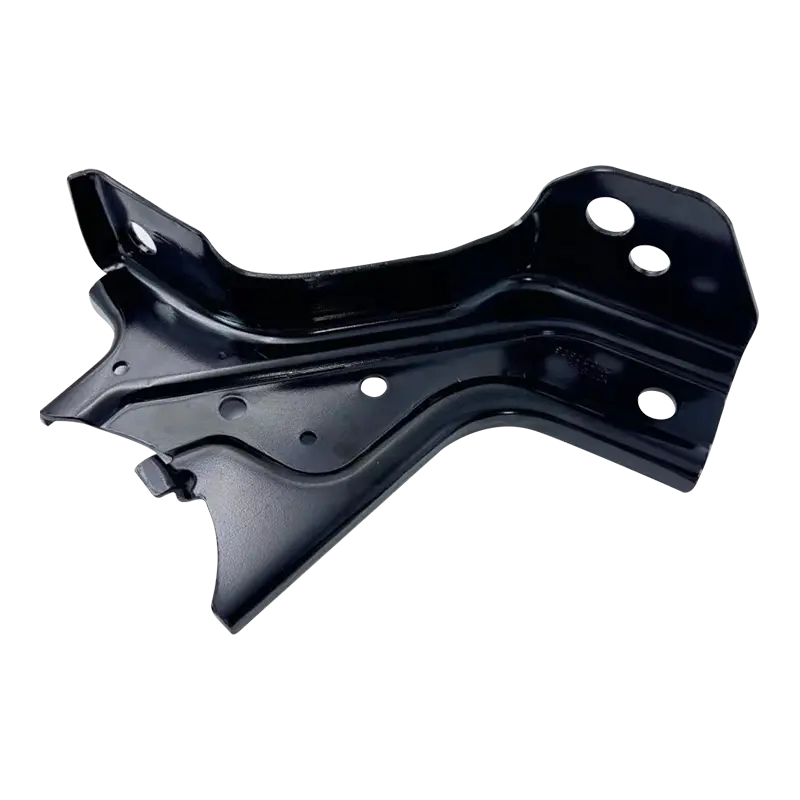
Venturing into the world of custom auto parts requires a strategic approach to ensure you get the right part, at the right quality, and for a fair price. The process is more involved than buying a standard replacement part, but the rewards are well worth the effort.
Before contacting a manufacturer or fabricator, you must have a crystal-clear idea of what you need. This involves more than just stating the make and model of your car. You should document:
Providing photographs, drawings, or even the old part as a template can drastically improve communication and ensure the final product meets your expectations.
Not all fabricators are created equal. Due diligence is essential.
By investing time in the planning and selection phases, you can confidently acquire personalized car body panels and accessories, a custom brake kit for specific vehicle models, or any other bespoke component, knowing it will enhance your vehicle's performance, aesthetics, and value exactly as you envisioned.
Contact Us
Telphone:+86-15850033223 E-mail:[email protected] Address:No. 2566 Huan Qing Road, Kunshan city, Jiangsu, P.R.CCustom Professional Metal Mold Design & Fabrication Suppliers


 English
 中文简体
中文简体 Deutsch