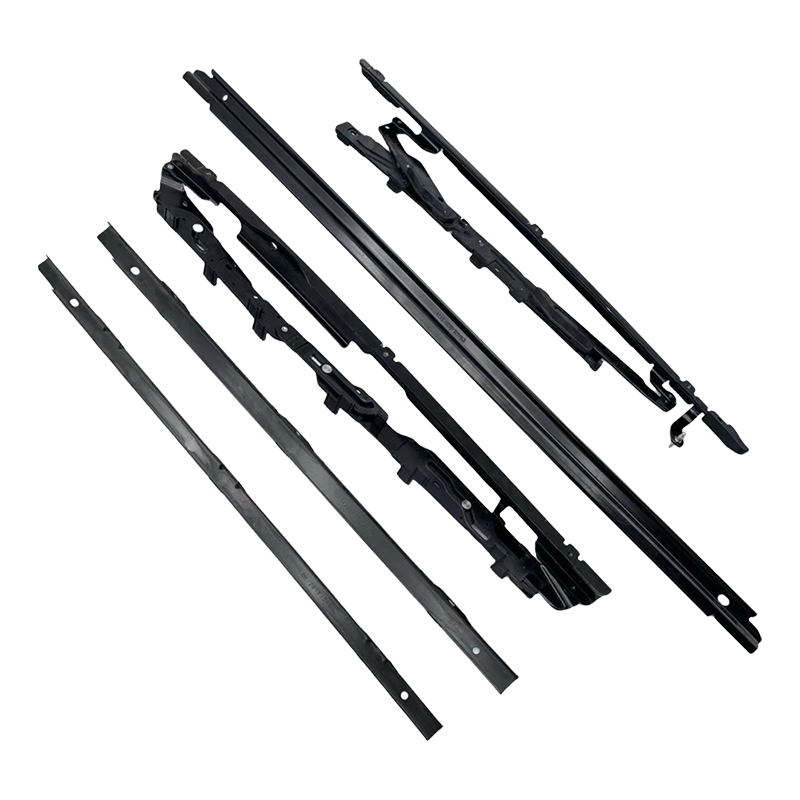
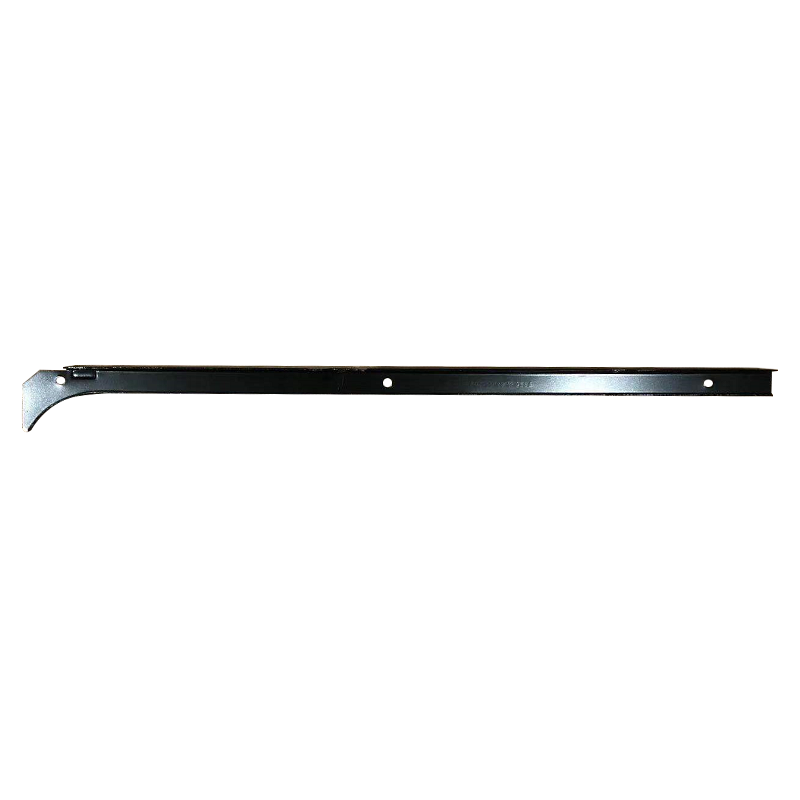
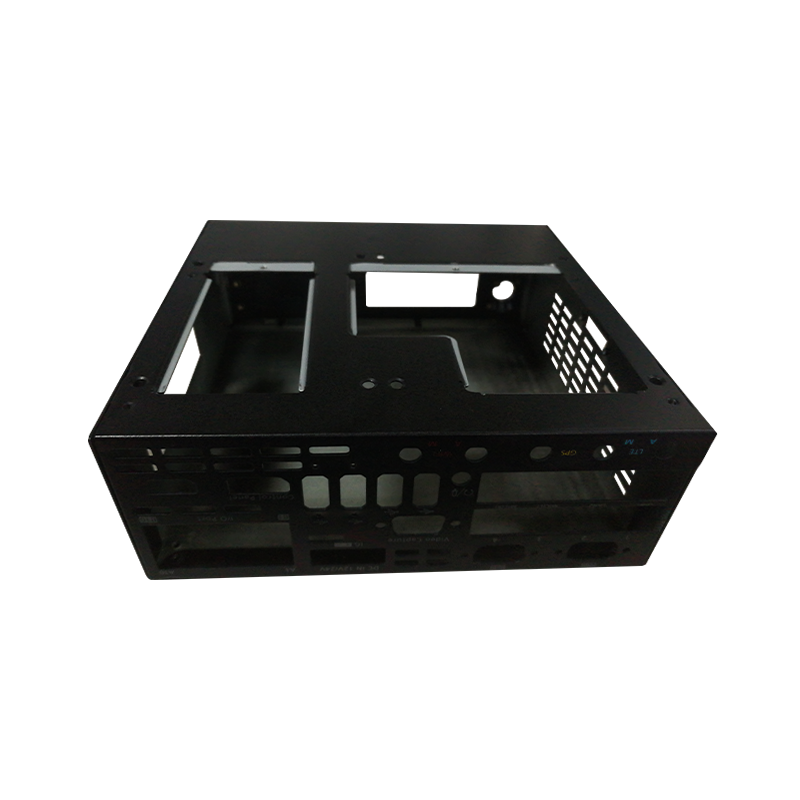
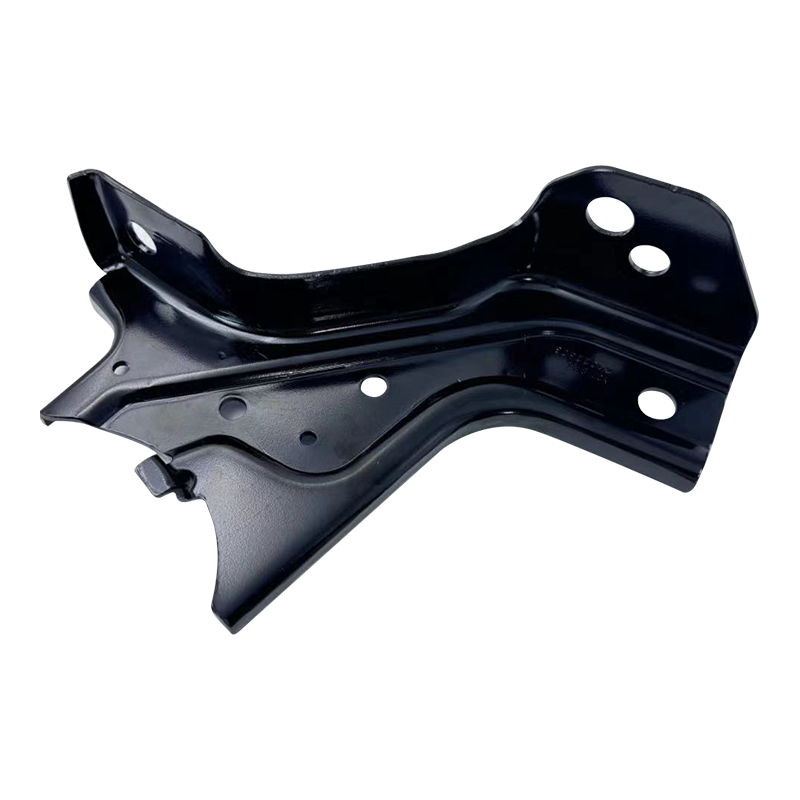
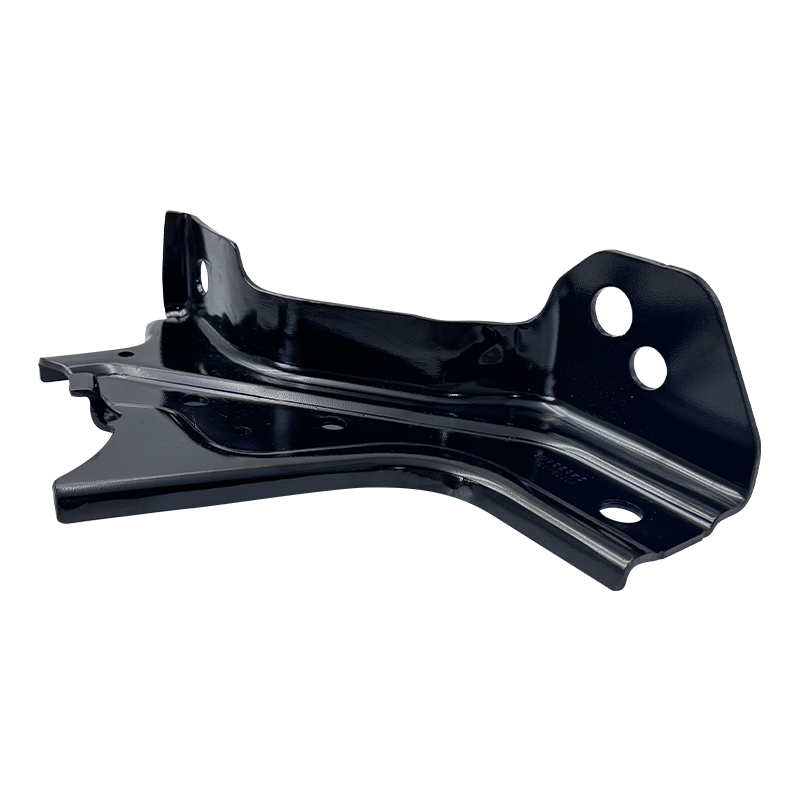
In the intricate world of automotive repair and restoration, the quest for the perfect replacement component is paramount. While off-the-shelf parts serve many purposes, complex or vintage vehicles often demand a tailored solution. This is where the domain of custom auto spare parts becomes critical. These precision-engineered components are not merely substitutes; they are bespoke solutions designed to meet exact specifications, ensure optimal performance, and restore a vehicle to its original integrity. For manufacturers, designers, and automotive engineers, understanding the journey from concept to finished custom part is essential for achieving superior results.
Standard parts may fail to address unique challenges in automotive repair and manufacturing. Custom parts fill this gap, offering unparalleled advantages in specific scenarios.
Choosing between custom and standard parts depends heavily on the project's requirements. The table below highlights the key distinctions.
| Aspect | Custom Auto Spare Parts | Standard OEM Parts |
| Design Flexibility | Fully adaptable to unique specifications and design constraints. | Fixed design based on the original vehicle model's mass production blueprint. |
| Lead Time | Generally longer due to design, prototyping, and setup processes. | Typically shorter, available from inventory or streamlined supply chains. |
| Cost Structure | Higher initial unit cost due to engineering and low-volume production. | Lower unit cost benefiting from economies of scale. |
| Application Scope | Ideal for obsolete, modified, prototype, or low-volume vehicles. | Suitable for common repairs and maintenance of mass-produced vehicles. |
| Material Choice | Wide open; can be optimized for performance, environment, or weight. | Limited to the original production material or its direct equivalent. |
The need for customization spans the entire vehicle. Certain part categories frequently require bespoke solutions due to their complexity or critical function.
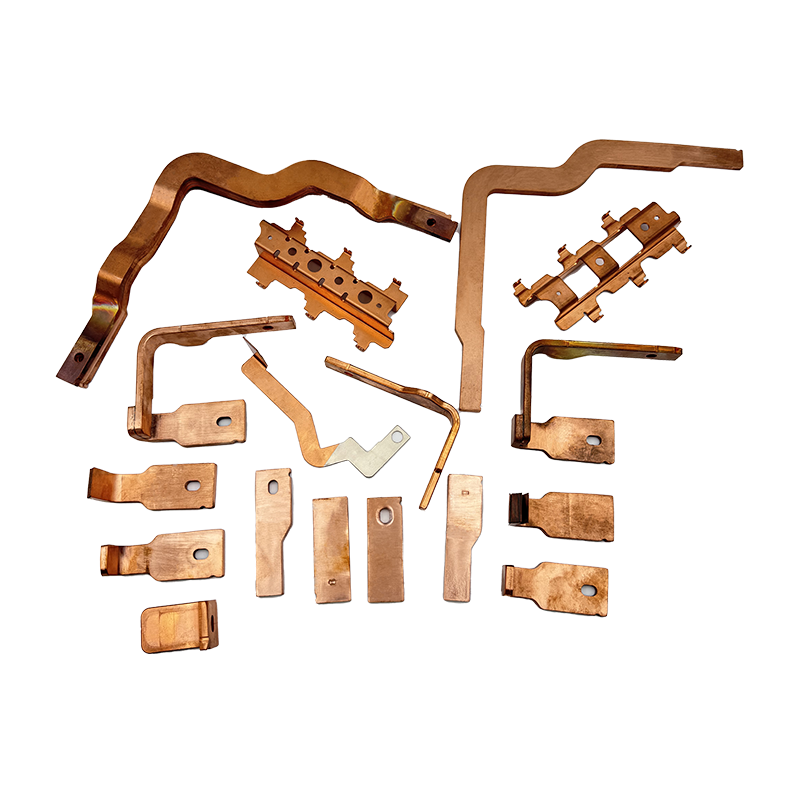
Precision deep drawn automotive components are a cornerstone of custom metal fabrication. This process involves forming sheet metal into seamless, hollow shapes using a series of dies. It is ideal for parts requiring high strength, excellent surface finish, and complex geometries without welds.
Not every project requires thousands of units. Low volume custom car parts manufacturing caters specifically to limited production runs, restoration projects, and prototyping. This approach makes bespoke parts economically viable for niche applications.
For the highest levels of dimensional accuracy and complex features, CNC machined auto spare parts are the gold standard. CNC (Computer Numerical Control) machining subtracts material from a solid block to produce a part with extremely tight tolerances.
A comparison between deep drawing and CNC machining helps in selecting the right process.
| Process | Best For | Typical Materials | Economic Batch Size |
| Precision Deep Drawing | Seamless hollow shapes, cans, housings. | Stainless Steel, Aluminum, Copper. | Medium to High Volume. |
| CNC Machining | Complex 3D geometries, high-precision fixtures, engine parts. | Aluminum, Steel, Brass, Plastics. | Low to Medium Volume. |
Stainless steel automotive trim parts combine aesthetics with exceptional durability. Custom trim parts, such as grille surrounds, window trim, badges, and exhaust tips, require both form and function.
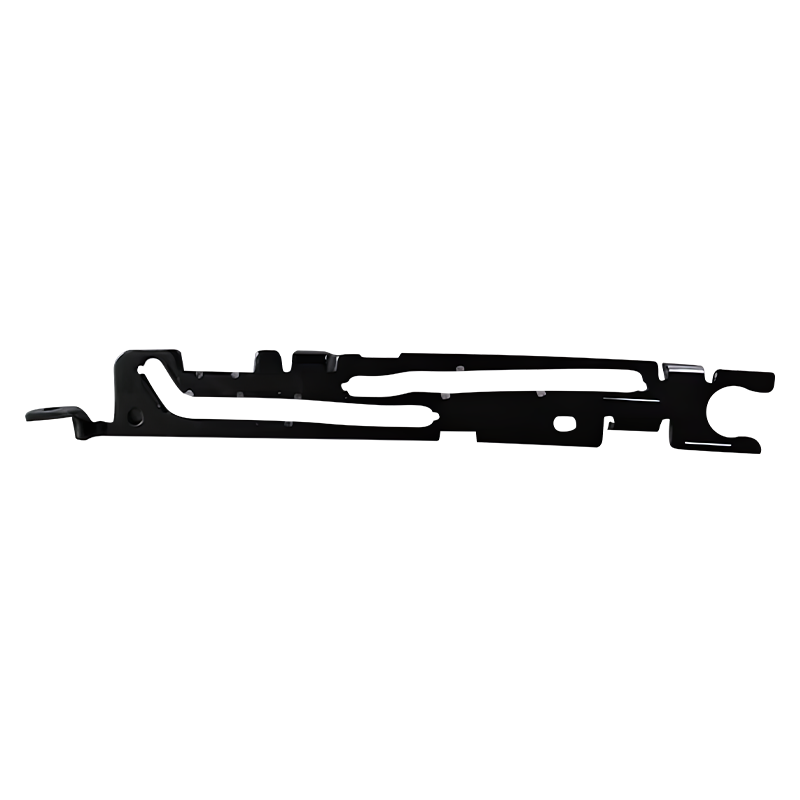
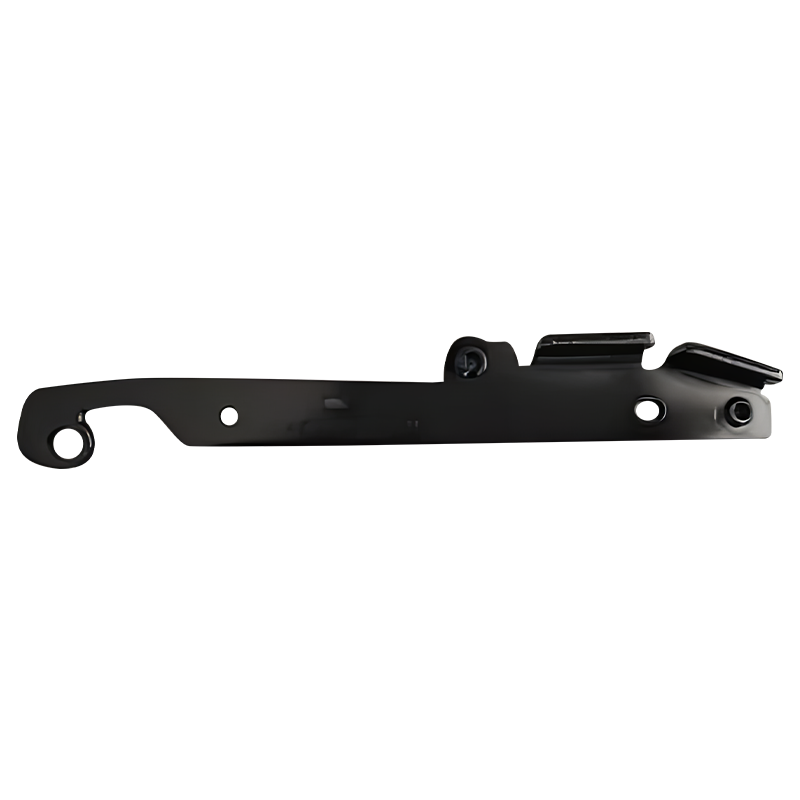
When a flat, complex metal component is needed in larger quantities with extreme consistency, high tolerance metal stamping for auto industry processes are employed. This involves using a stamping press and a precision die to cut and form sheet metal.
Producing a reliable custom auto spare part is a meticulous, multi-stage journey. A professional manufacturer like Suzhou Heaten follows a rigorous process to ensure quality and fidelity to design.
The creation of high-performance custom auto spare parts demands more than just machinery; it requires deep vertical integration of expertise. Founded in 2012, Suzhou Heaten embodies this principle as a professional metal mold design & fabrication supplier and precision part manufacturer.
Adhering to a "Service, Quality" concept, Heaten views each project as a partnership. The people-oriented principle translates into collaborative problem-solving, transparent communication, and a commitment to meeting the unique needs of each customer, whether for a single prototype or a low-volume production run.
Consider custom parts when the original part is obsolete for a classic car, when you need a performance or material upgrade, when modifying a vehicle where no direct-fit part exists, or when you require a prototype for a new design. For standard repairs on common vehicles, OEM or aftermarket parts are usually sufficient.
Lead times vary significantly based on complexity. For a new part, expect 8-12 weeks, accounting for design/DFM, precision mold fabrication, prototyping, and sample approval. Subsequent production runs are much faster once the tooling is proven. Simpler parts or those using existing mold bases may be quicker.
Specialist manufacturers use strategies like modular or rapid tooling, multi-cavity molds designed for flexibility, and efficient CNC programming to minimize setup waste. The focus is on process optimization rather than mass-production economies of scale, making small batches viable.
IATF 16949 is the global quality management standard for the automotive sector. A certified supplier has robust systems for risk management, defect prevention, and continuous improvement. It guarantees a systematic, traceable, and high-reliability approach to manufacturing, which is critical for safety and performance components.
Yes, professional manufacturers are equipped to start from your existing CAD files (e.g., STEP, IGES) or even a physical sample. They will perform a thorough DFM analysis on your design to suggest optimizations for manufacturability, cost, and performance before proceeding to prototyping.
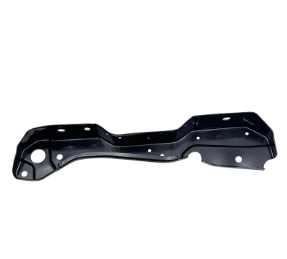
The realm of custom auto spare parts is where engineering precision meets automotive passion. It enables the preservation of history, the realization of innovative designs, and the solution of unique mechanical challenges. Success in this field hinges on a clear understanding of the available processes—from precision deep drawn automotive components to CNC machined auto spare parts—and a strategic partnership with a capable manufacturer. By choosing a partner with integrated capabilities, stringent certifications like IATF 16949, and a commitment to quality, you ensure that your custom component is not just a part, but a reliable, high-performance solution engineered to drive forward.
[1] Lange, K. (1994). Handbook of Metal Forming. McGraw-Hill. (Reference on deep drawing processes and material behavior).
[2] Automotive Industry Action Group (AIAG). (2016). IATF 16949:2016 Quality Management System Standard. (Reference for automotive quality management system requirements).
Contact Us
Telphone:+86-15850033223 E-mail:[email protected] Address:No. 2566 Huan Qing Road, Kunshan city, Jiangsu, P.R.CCustom Professional Metal Mold Design & Fabrication Suppliers


 English
 中文简体
中文简体 Deutsch