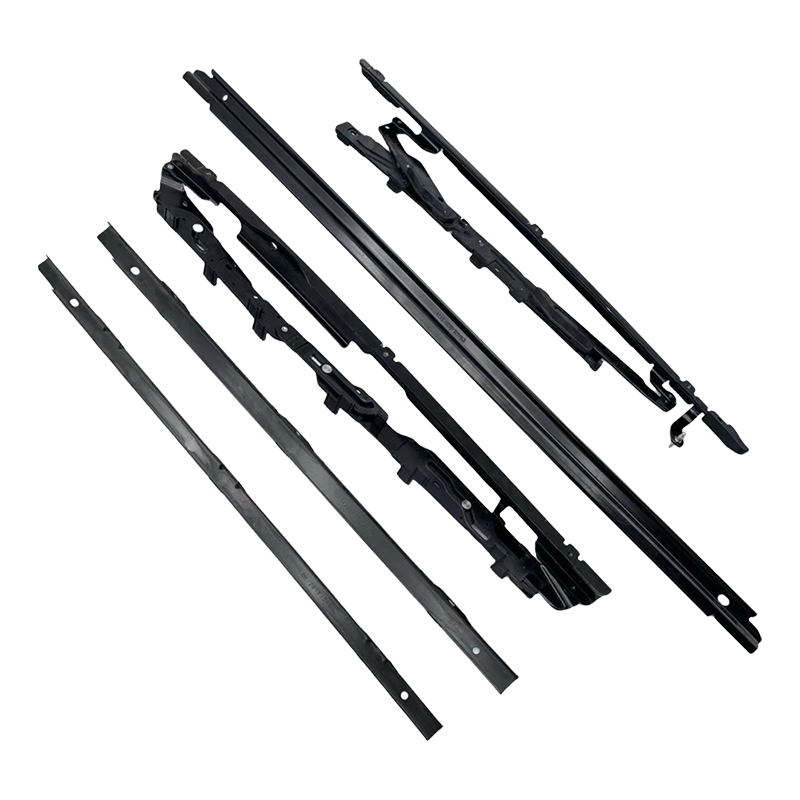
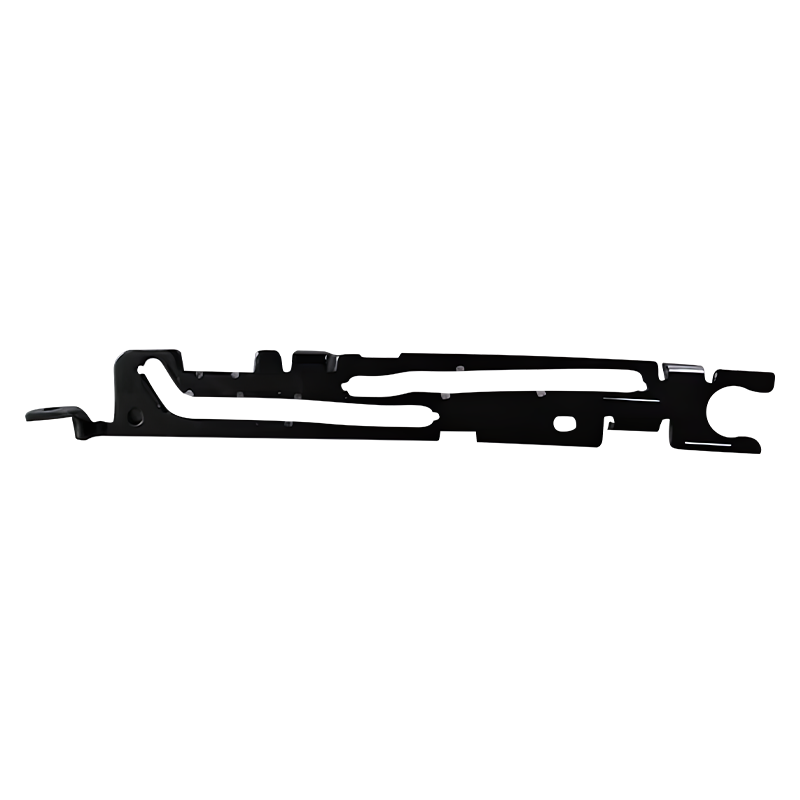
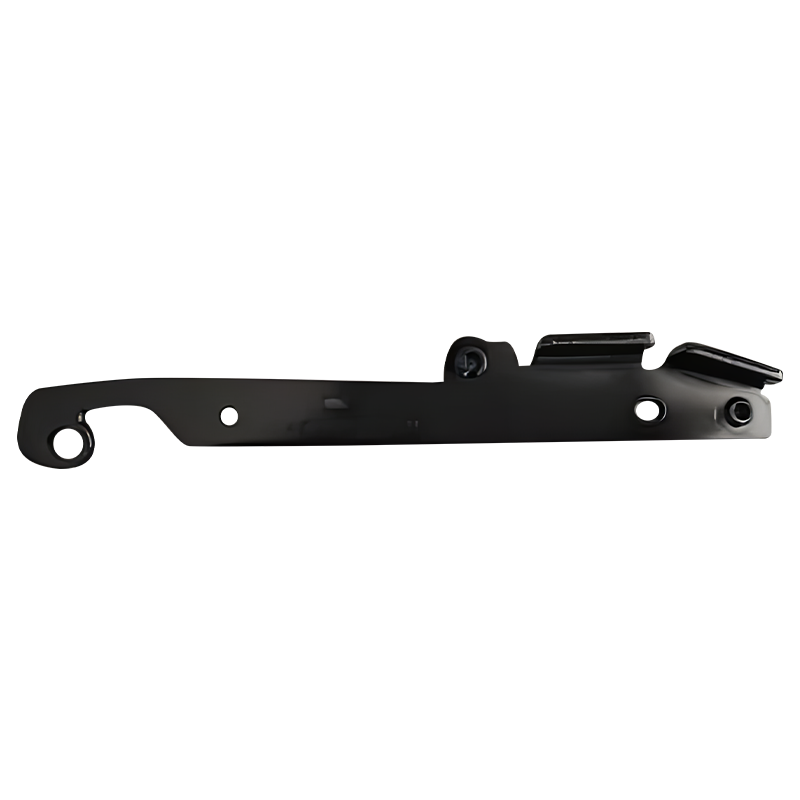
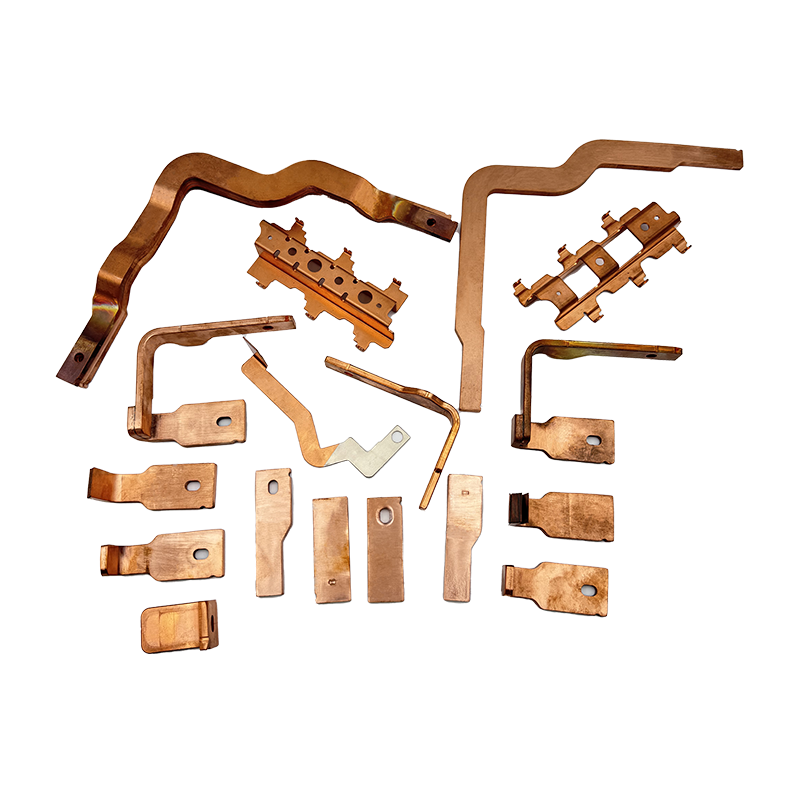
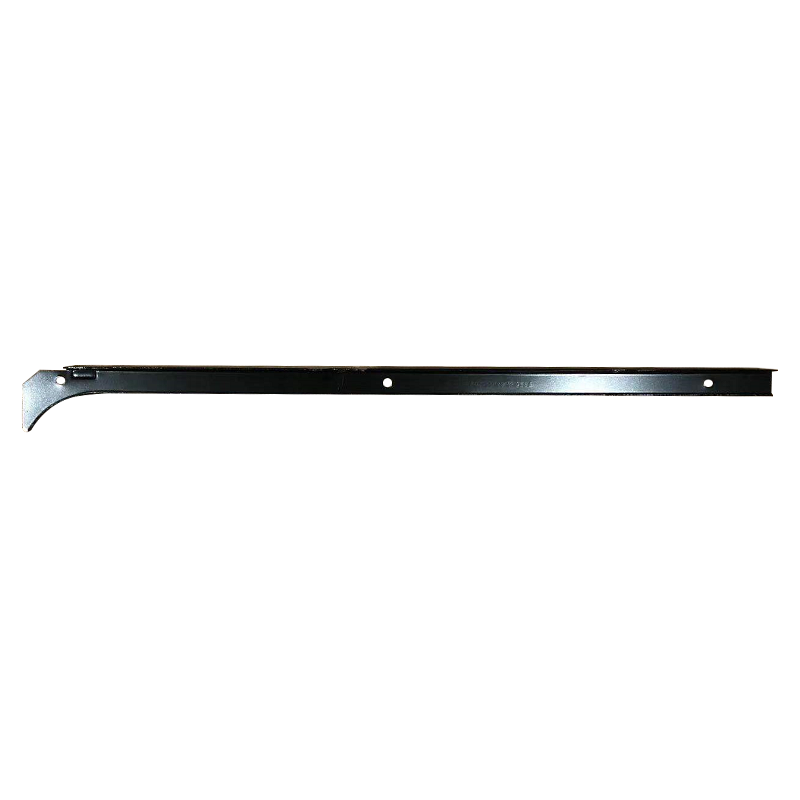
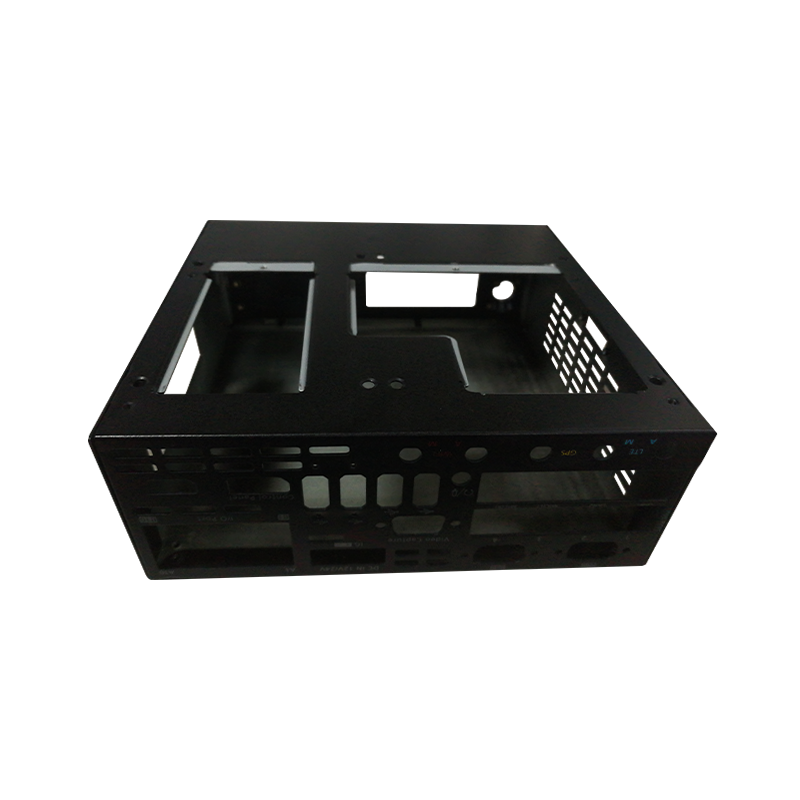
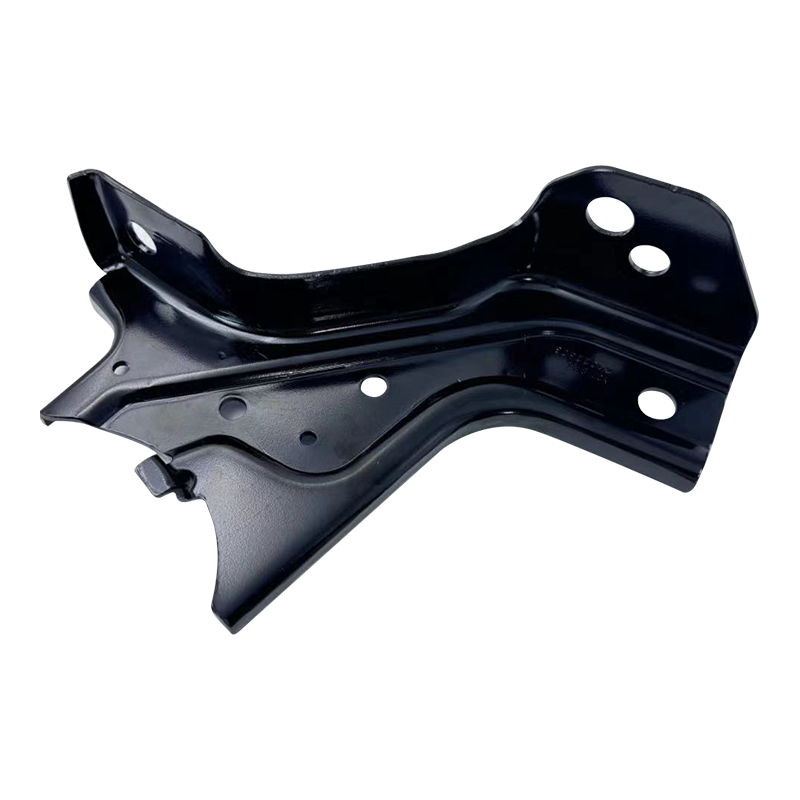
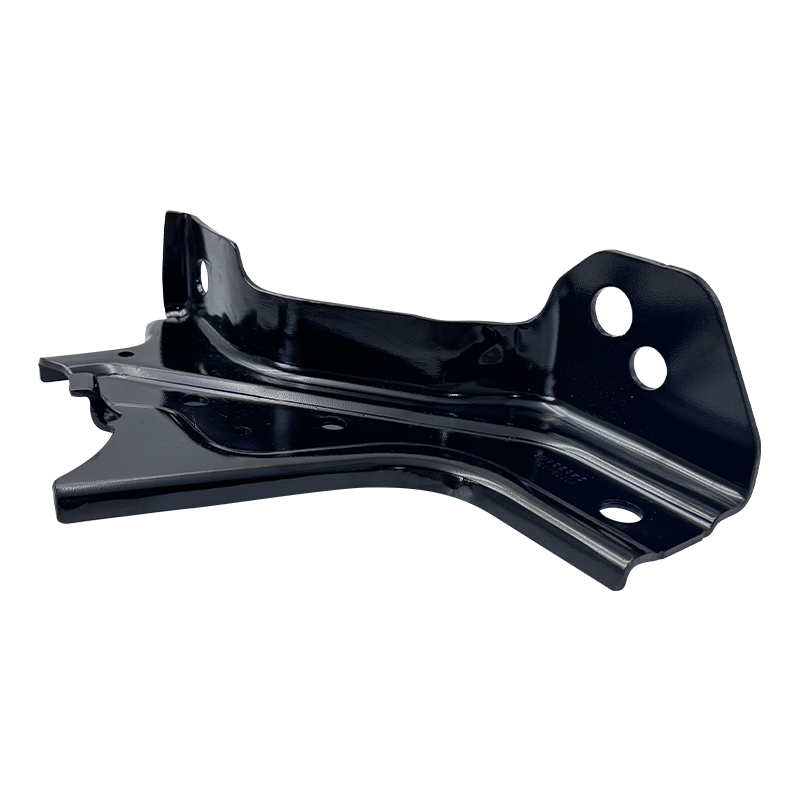
In the world of modern manufacturing, precision metal die stamping stands as a cornerstone technology for producing high-volume, complex, and reliable metal components. This process utilizes specialized tooling and presses to transform sheet metal into precise shapes through cutting, bending, and forming operations. For industries where tolerances are measured in microns and failure is not an option, mastering this technique is paramount. This comprehensive guide delves into the intricacies of the process, explores material choices, examines key applications, and highlights the capabilities that set leading manufacturers apart.
Precision Metal Die Stamping is a cold-forming process that employs dies and stamping presses to shape sheet metal. Unlike general stamping, precision stamping emphasizes extremely tight tolerances, exceptional repeatability, and superior surface finishes. The process is highly automated, making it ideal for large production runs where consistency and cost-efficiency are critical.
To better address specific industry needs, several specialized areas within precision metal die stamping have emerged. Focusing on these niches allows manufacturers to provide targeted solutions. Key areas include deep draw metal stamping for enclosures, which is essential for creating seamless, hollow shapes like cans or housings. For medical and sensitive applications, high precision medical device metal stamping demands unparalleled cleanliness and accuracy. The automotive sector relies on automotive electrical connector stamping services for reliable, high-conductivity components. When volume is paramount, high volume progressive die stamping parts offer the most efficient solution. Lastly, working with challenging materials requires expertise in stainless steel deep drawn components due to their work-hardening characteristics.
Choosing the right stamping method significantly impacts cost, speed, and part complexity. Progressive die stamping is a high-speed process where a metal coil feeds through a series of stations in a single die, each performing a different operation like cutting, bending, or piercing. Transfer die stamping involves mechanically transferring a part from one dedicated die station to the next.
| Feature | Progressive Die Stamping | Transfer Die Stamping |
|---|---|---|
| Best For | High-volume, smaller to medium parts (e.g., brackets, contacts). | Larger, more complex parts (e.g., automotive frames, complex assemblies). |
| Speed & Volume | Extremely high speed, ideal for runs in the millions. | High speed, but generally slower than progressive for simpler parts. |
| Part Complexity | Moderate complexity. All operations are in one die. | Higher complexity. Allows for multi-sided processing. |
| Initial Tooling Cost | High (complex single die). | Very High (multiple dedicated dies and transfer system). |
| Material Utilization | Excellent, with minimal skeleton waste. | Can be lower, depending on part nesting and transfer mechanism. |
Deep draw metal stamping for enclosures is a specific and technically demanding process where a flat sheet metal blank is radially drawn into a forming die by a punch, creating a three-dimensional shape with a depth greater than its diameter. This is crucial for producing seamless, one-piece components like battery cans, sensor housings, and shielding enclosures.
Overcoming these challenges requires sophisticated simulation software, expert die design—often involving multiple draws and anneals—and precise control of parameters like blank holder force and lubrication. This expertise is vital for producing reliable stainless steel deep drawn components used in harsh environments.
The performance of a stamped part is intrinsically linked to the material chosen. Different applications demand different properties.
| Material | Key Properties | Typical Applications |
|---|---|---|
| Stainless Steel (304, 316) | Excellent corrosion resistance, high strength, hygiene. | Medical instruments, chemical processing parts, stainless steel deep drawn components. |
| Aluminum (1100, 5052) | Lightweight, good conductivity, corrosion resistant. | Heat sinks, lightweight enclosures, consumer electronics frames. |
| Copper & Alloys (C11000, C26000) | Superb electrical/thermal conductivity, malleable. | Electrical contacts, busbars, automotive electrical connector stamping services. |
| Cold Rolled Steel (SPCC, SPCE) | High strength, good formability, cost-effective. | Structural brackets, chassis, automotive components. |
High precision medical device metal stamping imposes the strictest material requirements. Biocompatibility (ISO 10993 standards), sterilizability (via autoclave, gamma radiation, or ETO), and corrosion resistance are non-negotiable. Common choices include 300-series stainless steels for durability and certain titanium alloys for implantable devices, where strength-to-weight ratio and osseointegration are critical[1].
The automotive sector is a major consumer of stamped parts, demanding reliability, weight reduction, and electrical performance. Applications range from engine components and structural brackets to intricate automotive electrical connector stamping services. Connectors require perfect contact alignment and high conductivity, often using copper alloys, and must withstand vibration and temperature cycles.
In medical technology, failure is not an option. High precision medical device metal stamping produces components for surgical tools, implantable device housings, diagnostic equipment, and drug delivery systems. Tolerances are exceptionally tight, surface finishes must prevent bacterial adhesion, and traceability of materials is mandatory. Processes are often conducted in controlled environments to ensure cleanliness.
This industry drives demand for miniaturization, aesthetic appeal, and EM/IRFI shielding. Precision stamping produces internal brackets, SIM card trays, camera rings, and shielding cans. Deep draw metal stamping for enclosures is frequently used to create seamless, stylish battery cases or outer shells for compact devices.
Here, robustness and longevity are key. Stamped parts are found in machinery housings, sensor components, power distribution units, and hydraulic systems. The ability to produce high volume progressive die stamping parts cost-effectively keeps large-scale industrial equipment manufacturing viable.
Founded in 2012, Suzhou Heaten has established itself as a professional supplier in metal mold design, fabrication, and precision part manufacturing. Serving the automotive, consumer electronics, and medical industries, Heaten specializes in deep drawing and precision metal die stamping.
Heaten operates on a "Service, Quality" concept with a people-oriented principle. This translates to close collaboration with clients from the design-for-manufacturability (DFM) stage through to production. Their expertise in high volume progressive die stamping parts and deep draw metal stamping for enclosures allows them to optimize designs for efficiency, cost, and performance, ultimately meeting the precise needs of their customers' most demanding applications.
While both processes use dies and presses, precision metal die stamping focuses on achieving much tighter tolerances (often within ±0.01mm), superior surface finishes, and higher consistency across large production runs. It involves more advanced die design, higher-quality equipment, and stricter quality control protocols.
Deep draw metal stamping for enclosures involves significant material flow and deformation. Controlling variables like material thinning, wrinkling, and tearing requires sophisticated die design (often with multiple stages), precise control of press forces and speeds, and deep material science knowledge, especially for tough alloys like stainless steel.
For high precision medical device metal stamping, key certifications include ISO 13485 (Quality Management for Medical Devices) and ISO 9001. Material biocompatibility certifications (ISO 10993 reports) are also crucial. Additionally, suppliers like Suzhou Heaten with IATF16949 certification demonstrate a robust quality management system applicable to high-risk industries.
High volume progressive die stamping parts become highly cost-effective for long-run projects (typically hundreds of thousands to millions of parts). The high initial tooling cost is amortized over the massive production volume, resulting in a very low per-part cost, while also ensuring unmatched production speed and consistency.
Yes, through advanced die design, particularly in progressive dies. A single die can integrate stations for piercing, bending, coining, and threading. This is common in producing complex components like automotive electrical connector stamping services parts, which may combine conductive elements with insulating brackets in a streamlined process.
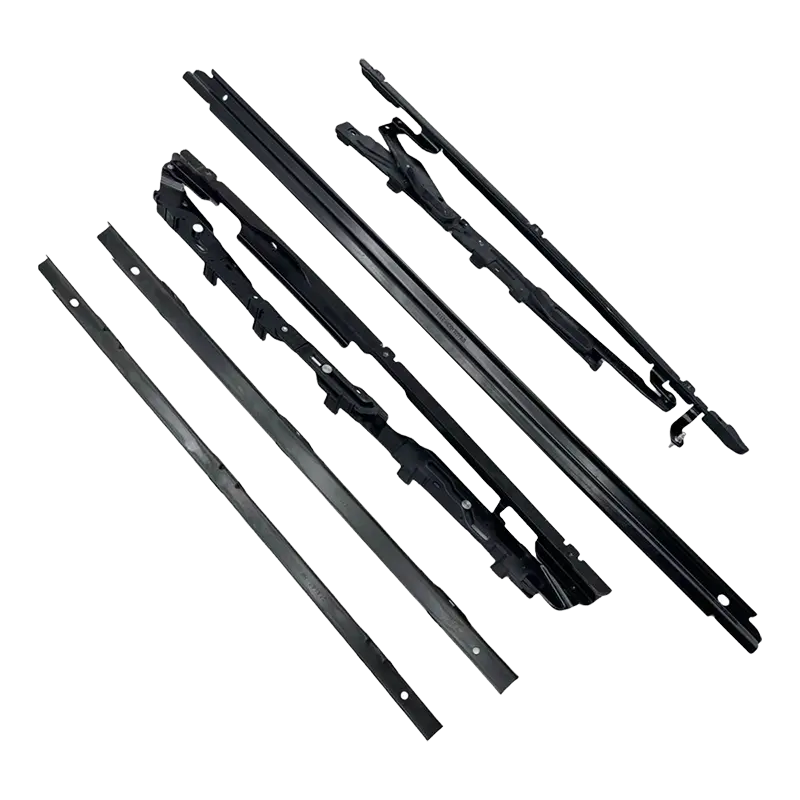
Precision metal die stamping is a dynamic and essential manufacturing process that enables the mass production of high-quality, reliable metal parts. From the demanding requirements of high precision medical device metal stamping to the high-speed production of automotive electrical connector stamping services, the technology continues to evolve. Understanding the nuances between processes like deep draw metal stamping for enclosures and high volume progressive die stamping parts, as well as the challenges of working with materials like stainless steel deep drawn components, is key to selecting the right manufacturing partner. With the right combination of engineering expertise, advanced equipment, and a certified quality system, manufacturers like Suzhou Heaten deliver solutions that power innovation across global industries.
[1] Davis, J. R. (Ed.). (1994). *Stainless Steels*. ASM International. This handbook provides comprehensive data on the properties and processing of stainless steels, including their application in medical devices due to corrosion resistance and biocompatibility.
Contact Us
Telphone:+86-15850033223 E-mail:[email protected] Address:No. 2566 Huan Qing Road, Kunshan city, Jiangsu, P.R.CCustom Professional Metal Mold Design & Fabrication Suppliers


 English
 中文简体
中文简体 Deutsch