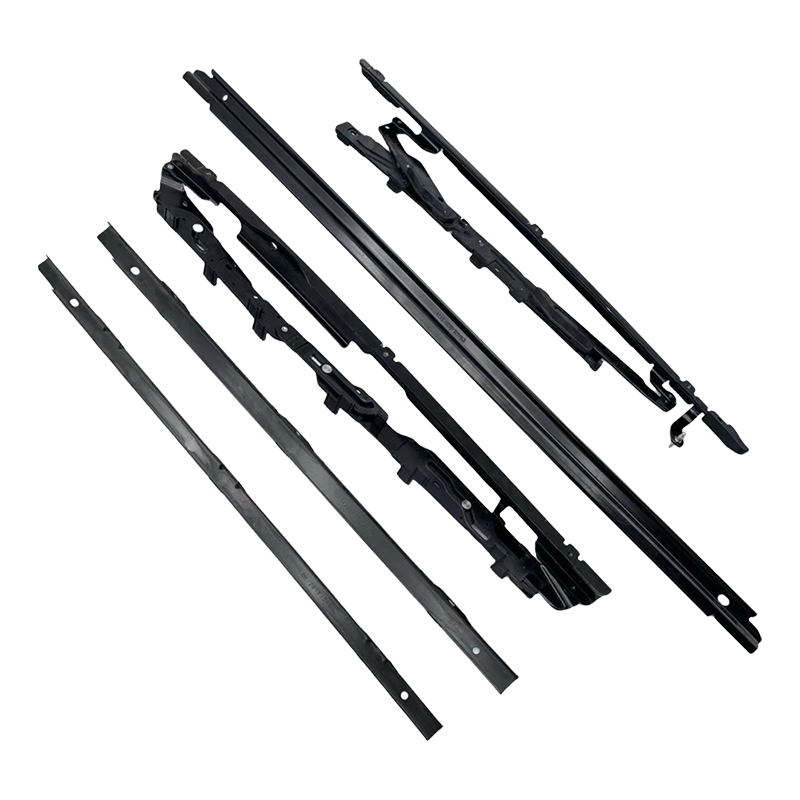
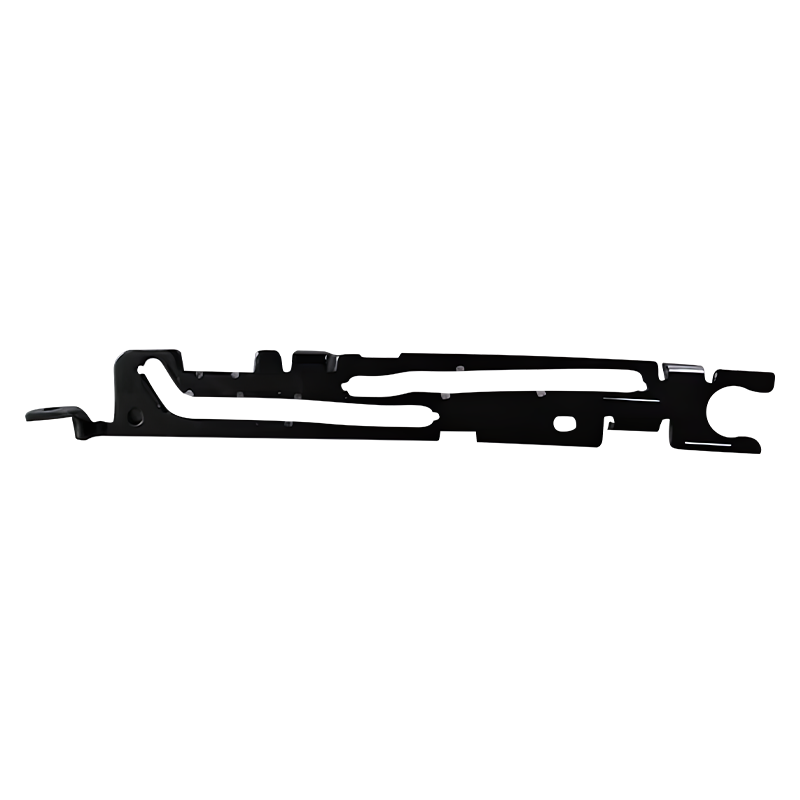
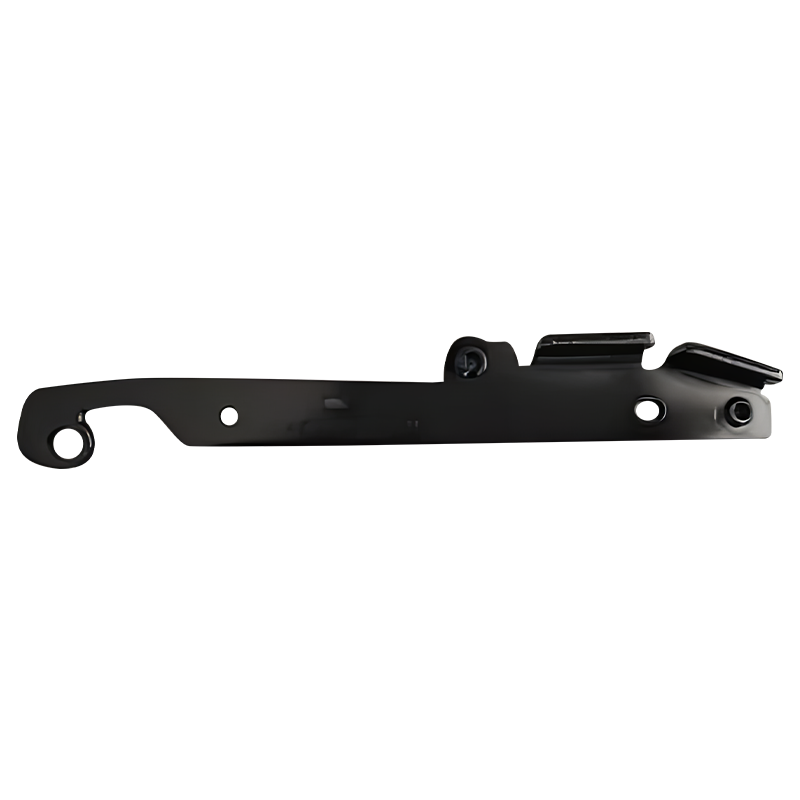
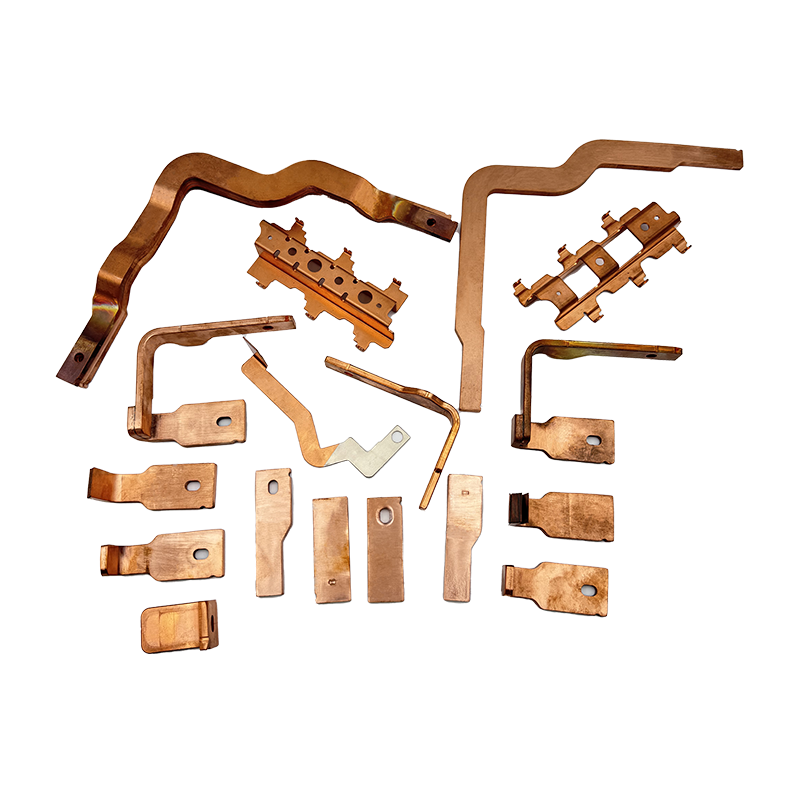
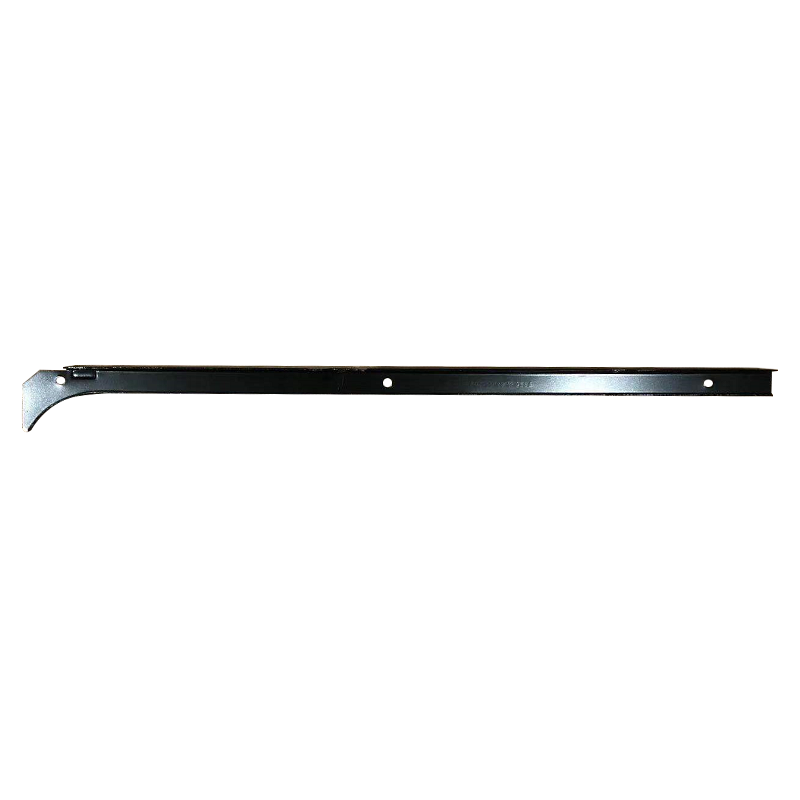
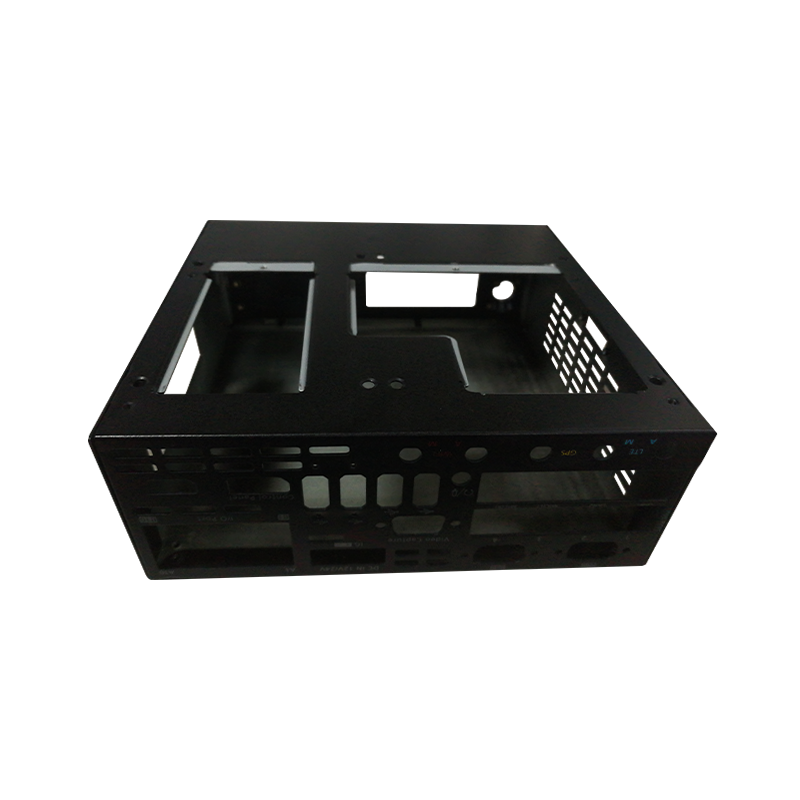
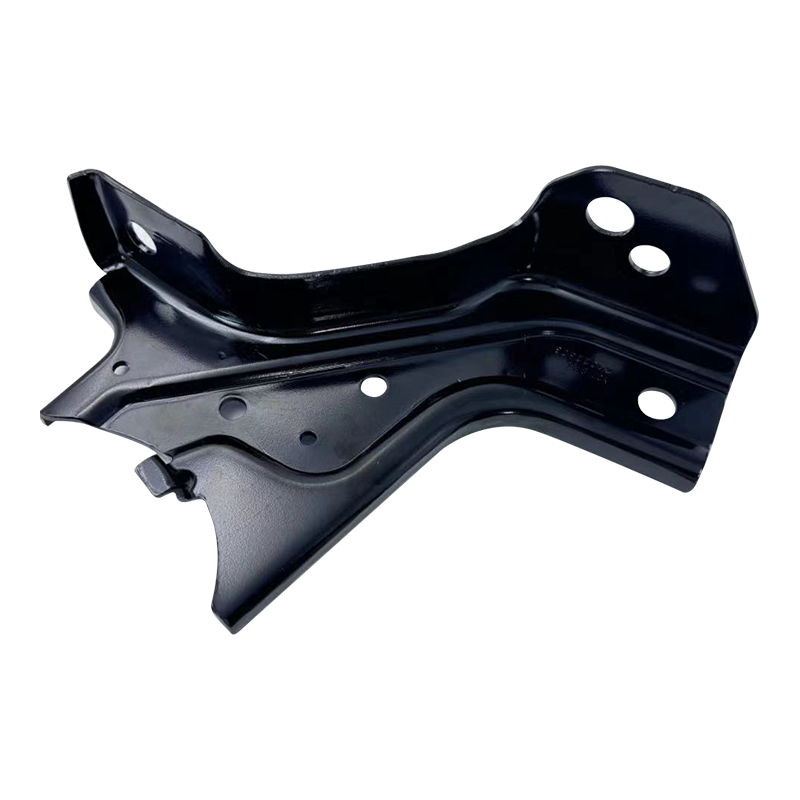
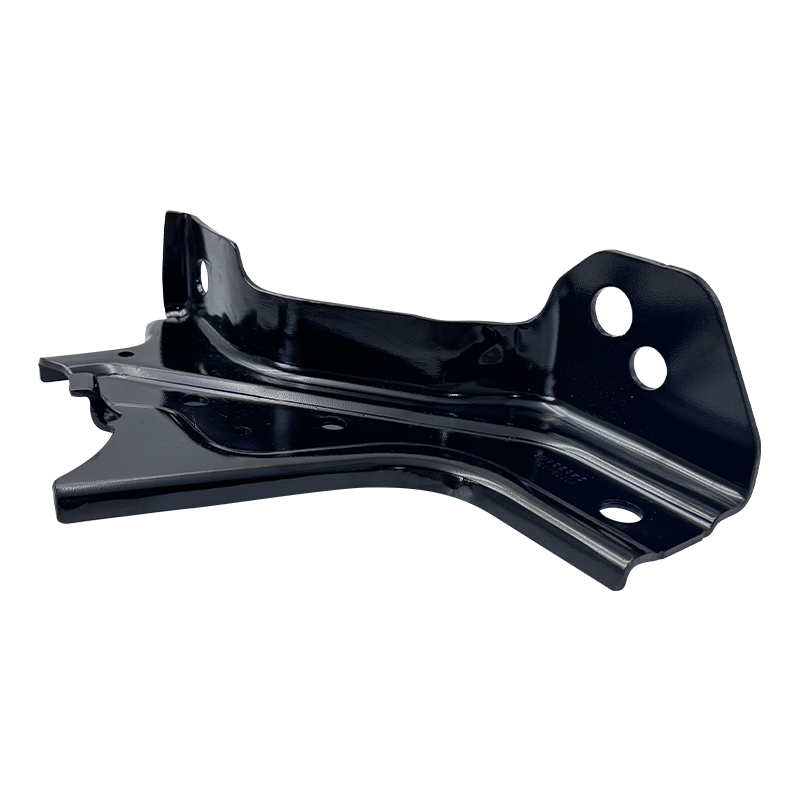
Within the intricate ecosystem of an automobile, numerous components work in unison to deliver performance, safety, and comfort. Among these, brackets serve as the fundamental connective tissue, securing everything from engines and transmissions to brake lines and electronic control units. While often overlooked, the design and integrity of these brackets are paramount. This is where the domain of custom automotive metal bracket solutions becomes critical. Unlike generic, off-the-shelf options, custom brackets are engineered to meet precise spatial, load-bearing, and environmental specifications of a specific vehicle application. They solve unique packaging challenges, contribute to weight optimization strategies, and enhance overall system reliability. The evolution of vehicle architectures, including the shift towards electric vehicles and advanced driver-assistance systems (ADAS), has further amplified the demand for highly specialized bracketry that can accommodate new components and withstand novel operating conditions.
The journey of a custom bracket from concept to installation involves a sophisticated interplay of engineering design, material science, and precision manufacturing. It begins with a comprehensive understanding of the application's requirements: the dynamic and static loads it must bear, exposure to vibration, thermal cycles, and corrosive elements like road salt or brake fluid. Engineers must also consider assembly ergonomics, serviceability, and compliance with automotive industry standards. This holistic approach ensures the final product is not merely a piece of metal but a vital, reliable component integrated into the vehicle's lifespan. Manufacturers specializing in this field, such as Suzhou Heaten Machinery Industry Co., Ltd., bring essential capabilities to the table. Founded in 2012 and certified to IATF16949, ISO9001, and ISO14001 standards, Heaten combines expertise in precision metal mold design, deep drawing, and fabrication with a diverse material portfolio including stainless steel, aluminum, copper, and iron. Their comprehensive equipment suite, ranging from 110T-1000T punch presses to advanced inspection tools like coordinate measuring machines, underscores the technical depth required to produce brackets that meet the stringent demands of modern automotive engineering.
Creating a bracket that performs flawlessly over the life of a vehicle is an exercise in anticipatory engineering. Every design decision directly impacts the component's functionality, durability, and cost-effectiveness.
The primary function of any bracket is to transfer load from a component to the vehicle's structure. Therefore, the first step in designing a high-strength automotive suspension bracket or any critical bracket is a thorough finite element analysis (FEA) to visualize load paths and identify potential stress concentrations. Engineers simulate real-world forces—such as the immense jolts from potholes impacting a suspension bracket or the constant torque from a vibrating engine—to ensure the design has an adequate safety factor. The goal is to create a geometry that distributes stress evenly, avoiding sharp corners or sudden changes in cross-section that can become failure initiation points. For instance, the design of a bracket for a control arm will prioritize torsional stiffness and fatigue resistance, while a bracket for a wiring harness may focus more on vibration damping and ease of routing.
Material selection is intrinsically linked to this analysis. A design intended for aluminum, with its lower modulus of elasticity, may require different ribbing or gusseting patterns compared to the same bracket made from high-strength steel. The manufacturing process also influences design; a stamped bracket can incorporate complex, strength-enforming forms, while a CNC-machined bracket might allow for more precise dimensional tolerances in critical bore locations. This interconnectedness of design, material, and process is where experienced manufacturers provide immense value, guiding the development from a digital model to a physically robust component.
The choice of material is a balancing act between strength, weight, corrosion resistance, cost, and manufacturability. Different bracket applications call for vastly different material solutions.
For applications demanding a unique set of properties, such as corrosion-resistant exhaust mounting brackets, the material decision is critical. An exhaust bracket must withstand extreme temperatures (both high heat and thermal cycling), constant vibration, and exposure to road salts and moisture. While aluminized steel is a common choice, grades of stainless steel like 409 or 316 often provide superior long-term durability in this punishing environment, justifying a higher initial cost through extended service life and reliability.
Once the design and material are finalized, the chosen manufacturing process must faithfully reproduce the design with high precision and consistency. For high-volume production, stamping with progressive dies is often the most efficient method. This process, central to Suzhou Heaten's capabilities with their range of punch presses, can rapidly produce complex shapes with high repeatability. For lower volumes or prototypes, CNC machining or laser cutting combined with bending and welding might be more economical. Processes like deep drawing are invaluable for creating seamless, strong enclosures or complex shapes from sheet metal, often used in sensor housings or specialized mounts.
Quality assurance is non-negotiable. Every batch of precision stamped car metal brackets must undergo rigorous inspection to verify dimensional accuracy, material integrity, and surface quality. This involves using equipment like coordinate measuring machines (CMM) and 2.5D measurers to check critical tolerances, often within hundredths of a millimeter. Salt spray testing validates the effectiveness of corrosion-resistant coatings or the inherent resistance of materials like stainless steel. This relentless focus on quality, embedded in certifications like IATF16949, ensures that each bracket integrates seamlessly into the automotive assembly line and performs reliably on the road.
The need for customization is driven by the specific challenges of different vehicle systems. A one-size-fits-all approach fails to address the unique demands placed on components in diverse locations and functions.
The aftermarket performance and restoration sector presents a vibrant market for custom bracketry. Enthusiasts upgrading engines, transmissions, or suspension systems frequently find that original equipment brackets no longer fit or are not robust enough for increased power and torque. This drives the demand for aftermarket performance car bracket designs that are stronger, lighter, or designed to accommodate non-factory components. Similarly, the classic car restoration market often requires brackets that are no longer available, necessitating custom fabrication based on original specs or improved designs.
The electric vehicle (EV) revolution is creating a new frontier for bracket design. EV platforms house heavy battery packs, powerful electric motors, and sophisticated power electronics. Brackets for these applications must manage significant weight, handle different vibration profiles compared to internal combustion engines, and sometimes provide thermal management or electrical isolation. The shift to EVs underscores the importance of partnering with a manufacturer adept at innovation and familiar with the full spectrum of materials and processes, from high-strength steel for battery frame supports to specialized aluminum alloys for motor mounts.
Beyond traditional stamping and machining, additive manufacturing (3D printing) in metals is beginning to influence the prototyping and low-volume production of ultra-complex bracket geometries that are impossible to make subtractively. These designs often feature organic, lattice-like structures that optimize strength-to-weight ratios in ways conventional methods cannot. While not yet suitable for high-volume automotive production due to speed and cost, it represents the cutting edge of design freedom. Furthermore, the integration of sensors and smart materials could lead to "intelligent" brackets in the future—components that monitor their own stress, temperature, or vibration and communicate data to the vehicle's diagnostic system. The pursuit of solutions like a heavy-duty truck accessory mounting plate exemplifies the ongoing need for robust customization. Such a component must be designed to withstand the extreme duty cycles, higher loads, and prolonged vibration of commercial vehicles, often requiring thicker materials, more aggressive corrosion protection, and redundant mounting features for critical accessories like air compressors, secondary lighting, or toolboxes.
Selecting the right combination of material and manufacturing process is pivotal. The following table contrasts the typical applications and trade-offs for different bracket categories, illustrating how requirements dictate the final engineering solution.
| Bracket Type / Focus | Primary Material Candidates | Recommended Manufacturing Process | Key Advantages | Primary Considerations |
|---|---|---|---|---|
| High-strength automotive suspension bracket | HSLA Steel, Forged Aluminum | Precision Stamping, Forging | Superior fatigue resistance, high stiffness-to-weight, handles dynamic impacts | Cost of material and tooling for forging; requires precise heat treatment. |
| Lightweight aluminum engine bay bracket | Aluminum 6061-T6, 7075 | CNC Machining, Stamping (with deep draw capability) | Significant weight reduction, good corrosion resistance, dissipates heat well. | Higher material cost than steel, less ductile, requires careful design to avoid stress cracks. |
| Corrosion-resistant exhaust mounting brackets | Stainless Steel (409, 316), Aluminized Steel | Stamping, Laser Cutting & Forming | Withstands high temperatures and corrosive exhaust gases; long-lasting. | Stainless is more expensive and harder to work with; thermal expansion must be accounted for. |
| Precision stamped car metal brackets (e.g., for ECUs, sensors) | Cold Rolled Steel, Aluminum | Progressive Die Stamping | High volume, low per-part cost, excellent dimensional consistency, complex features possible. | High initial tooling investment; design changes are costly once dies are made. |
| Heavy-duty truck accessory mounting plate | High Yield Strength Steel, Thick Aluminum Plate | Laser Cutting, CNC Machining, Welding Fabrication | Extreme load capacity, can be customized for various accessories, very durable. | Weight can be an issue; fabrication is often labor-intensive; requires robust corrosion protection. |
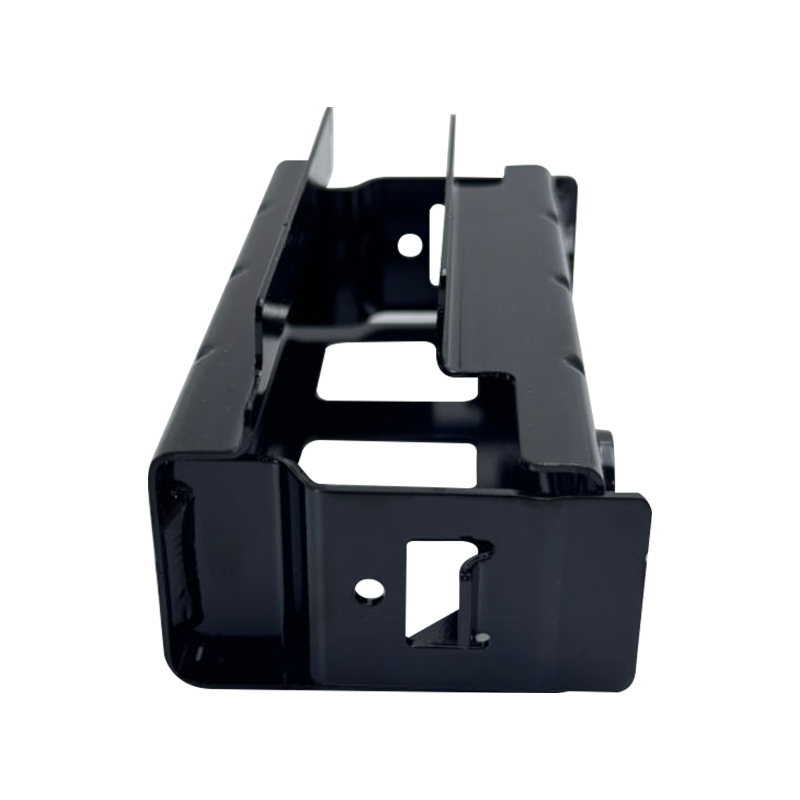
The development of a reliable, high-performance custom automotive metal bracket is a multidisciplinary endeavor. It moves from conceptual design and material science through precision manufacturing and ends with stringent validation. Whether the need is for a high-strength automotive suspension bracket to handle track-day loads, a set of lightweight aluminum engine bay brackets for a vintage restomod, or a run of precision stamped car metal brackets for a new vehicle line, success hinges on deep technical expertise and proven manufacturing capability. This encompasses everything from simulating stress in a heavy-duty truck accessory mounting plate to selecting the perfect stainless steel grade for corrosion-resistant exhaust mounting brackets.
Companies like Suzhou Heaten Machinery Industry Co., Ltd. exemplify the partner needed for such tasks. Their foundation in precision metal mold design and fabrication, coupled with extensive material experience and a full suite of manufacturing and testing equipment, provides a vertically integrated solution. Their adherence to automotive-grade quality management systems ensures that the brackets produced are not just custom-made but are engineered for durability, safety, and perfect fitment. In an industry where every component matters, the value of a expertly crafted custom bracket—the unsung hero of vehicle assembly—cannot be overstated, making the choice of manufacturing partner one of the most critical decisions in the component development process.
Contact Us
Telphone:+86-15850033223 E-mail:[email protected] Address:No. 2566 Huan Qing Road, Kunshan city, Jiangsu, P.R.CCustom Professional Metal Mold Design & Fabrication Suppliers


 English
 中文简体
中文简体 Deutsch