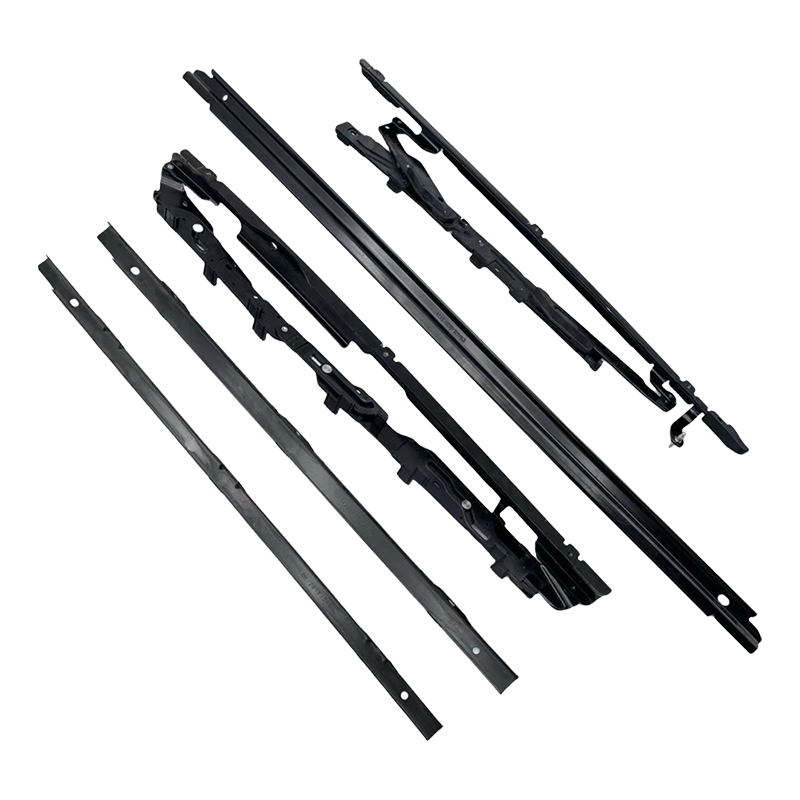
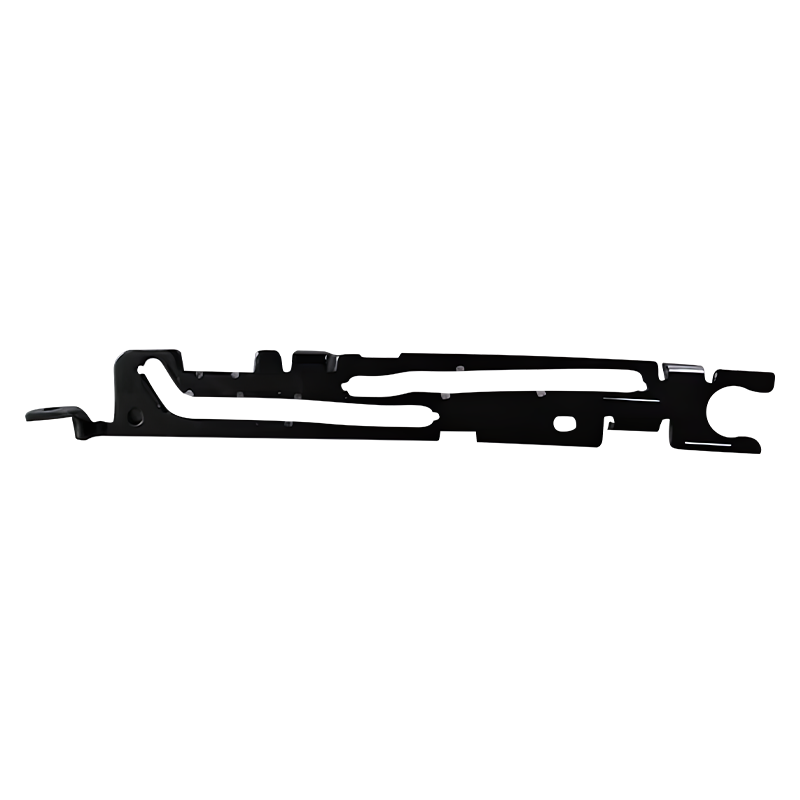
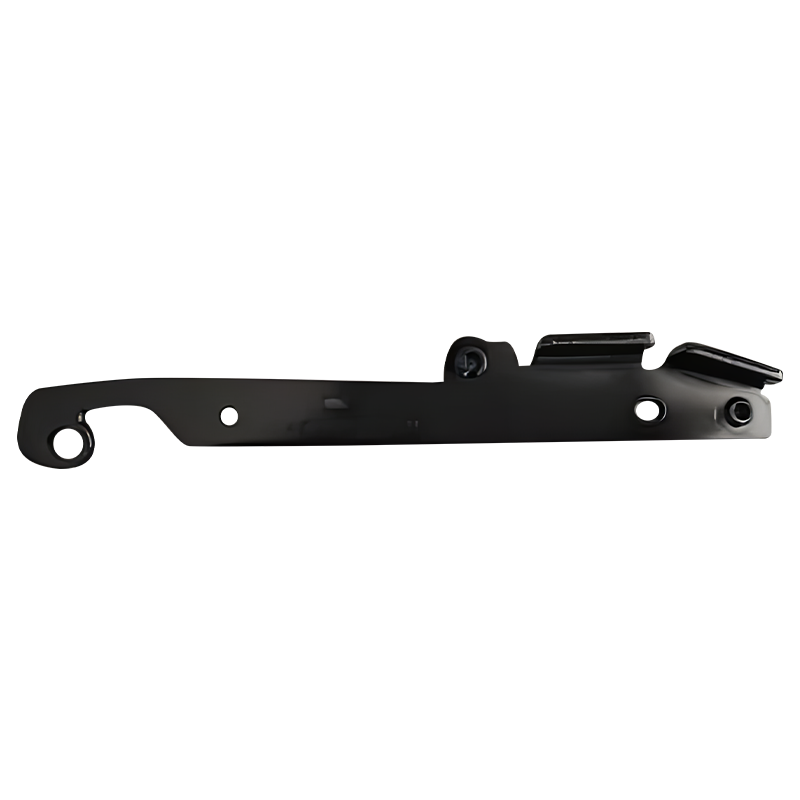
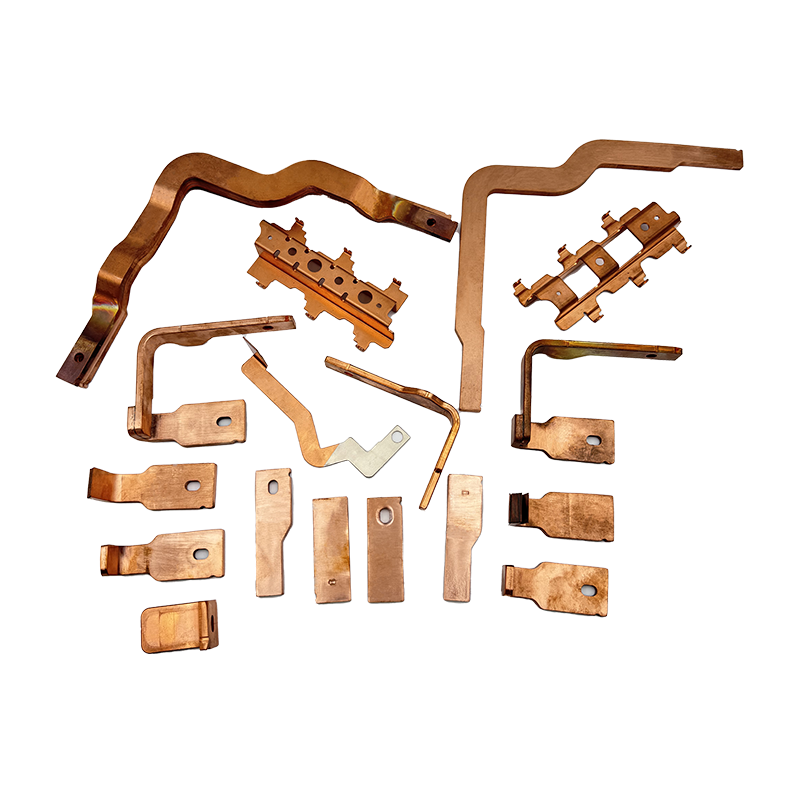
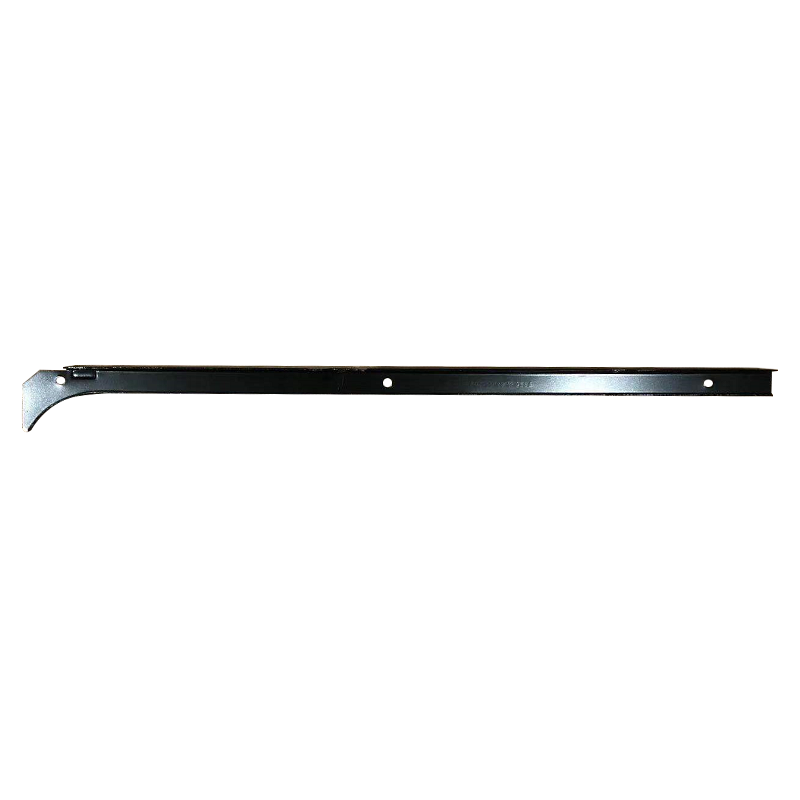
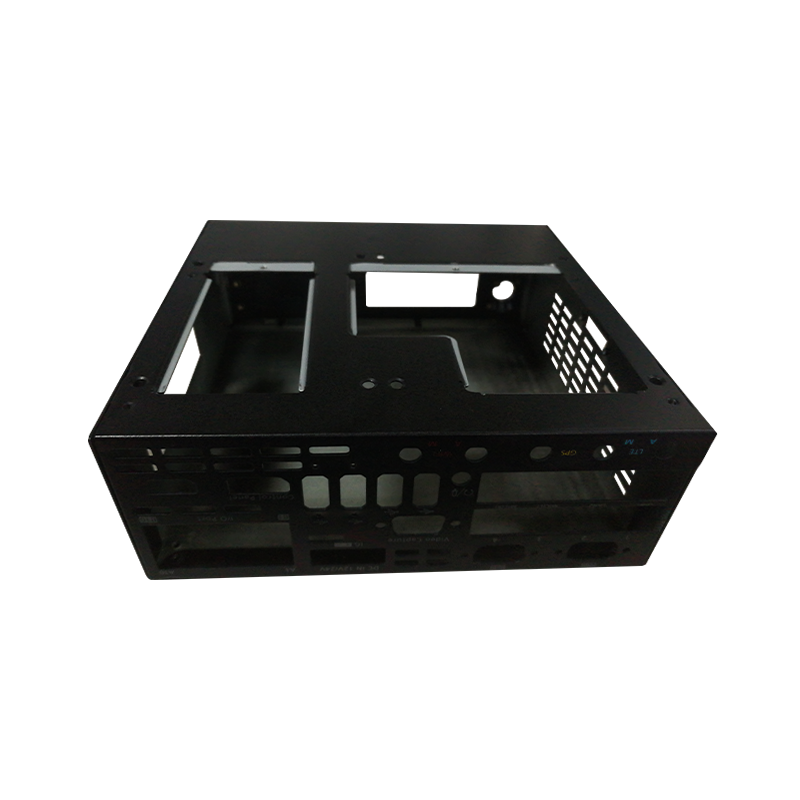
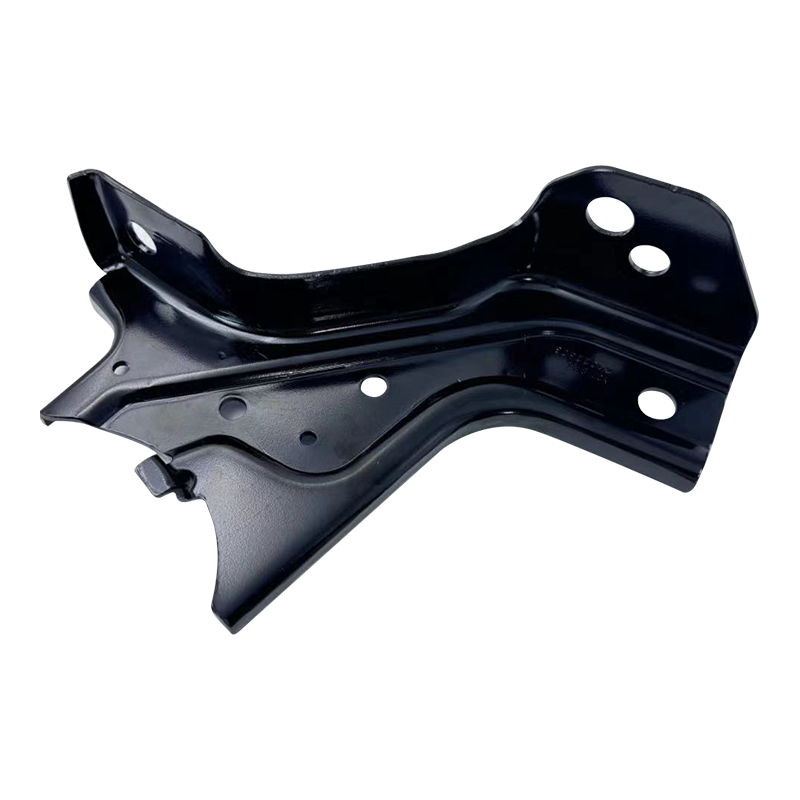
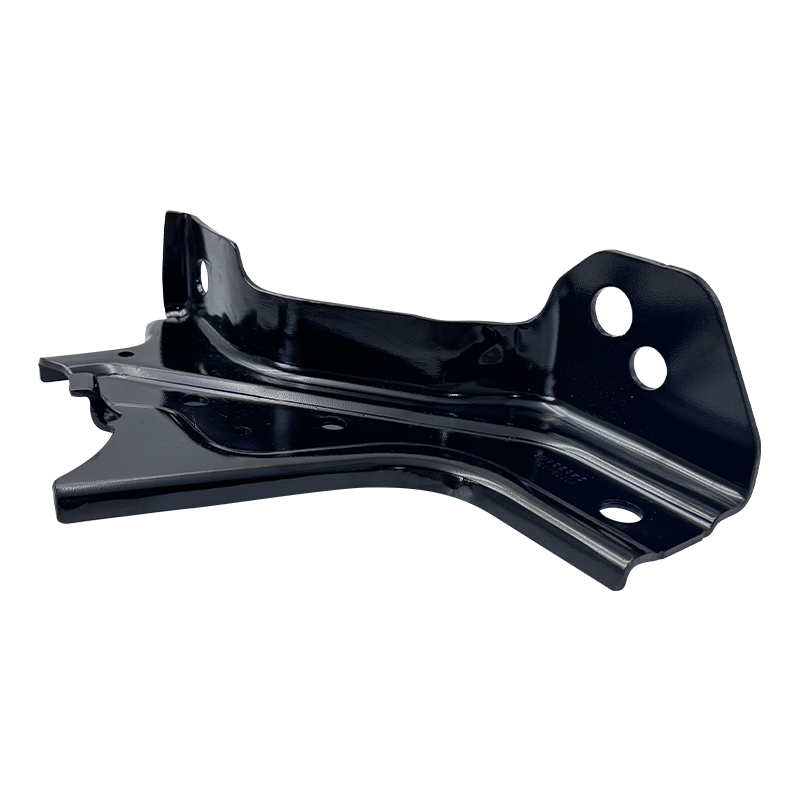
Within the complex ecosystem of a modern vehicle, the wiring harness serves as the central nervous system, transmitting power and data to every critical component. However, this intricate network of wires is vulnerable to damage from vibration, heat, abrasion, and environmental contaminants. This is where the often-overlooked hero, the wiring harness bracket, becomes indispensable. Far from being a simple piece of metal or plastic, these brackets are precision-engineered components designed to secure, route, and protect the wiring harness throughout the vehicle's chassis and engine bay. Their primary function is to ensure the harness remains in its designated path, preventing contact with moving parts, sharp edges, and excessive heat sources. A properly bracketed harness minimizes stress on electrical connections, reduces the risk of short circuits, and contributes significantly to long-term reliability and safety. The consequences of a failed bracket can be severe, leading to wire chafing, electrical faults, and potentially catastrophic system failures. Therefore, selecting the right bracket is not a matter of convenience but a critical engineering decision that impacts the vehicle's durability, performance, and compliance with safety standards.
The selection process for an automotive wiring harness bracket involves a careful evaluation of multiple interrelated factors. A one-size-fits-all approach does not exist in this domain, as the requirements for an engine compartment bracket differ vastly from those needed inside a passenger door.
The choice of material is paramount and is dictated by the operating environment. Brackets must withstand specific challenges such as temperature extremes, exposure to fluids, and constant vibration.
When comparing common materials, the decision matrix becomes clearer:
| Material | Key Advantages | Primary Limitations | Best Suited For |
|---|---|---|---|
| Stainless Steel | Extreme strength, excellent corrosion resistance. | Higher cost, heavier weight. | Underbody, marine/off-road applications. |
| Aluminum | Good strength, light weight, decent corrosion resistance. | Can be more expensive than mild steel, lower fatigue strength than steel. | Engine bays, aerospace, performance vehicles. |
| Galvanized Steel | High strength, cost-effective, good corrosion protection. | Coating can chip, exposing base metal to rust. | General automotive frame and chassis mounting. |
| High-Temp Nylon (e.g., PPA) | Lightweight, excellent chemical/insulation properties, complex shapes. | Lower overall strength vs. metal, material cost. | Near-engine components, sensor mounts, custom automotive cable mounting solutions. |
Beyond material, the physical design of the bracket determines its functionality. A critical first step is ensuring compatibility. This means the bracket must align perfectly with the vehicle's existing mounting points, whether they are threaded holes, welded studs, or specific panel contours. The design must also accommodate the harness itself—its diameter, bend radius, and any existing connectors that cannot be removed for installation. For enthusiasts or engineers working on custom projects, finding a universal wiring harness bracket for custom builds can save significant fabrication time. These universal brackets often feature adjustable slots, multiple mounting hole patterns, or modular designs to fit a wide range of applications. The method of securing the harness to the bracket is equally important. Options include:
For example, while a plastic clip-integrated bracket is perfect for securing a small-diameter sensor loom inside a door, a rugged steel bracket using a heavy-duty P-clamp is non-negotiable for anchoring the main engine harness away from a hot exhaust header. The latter setup ensures the harness remains immobile despite the severe vibrations and thermal cycling of the engine bay.
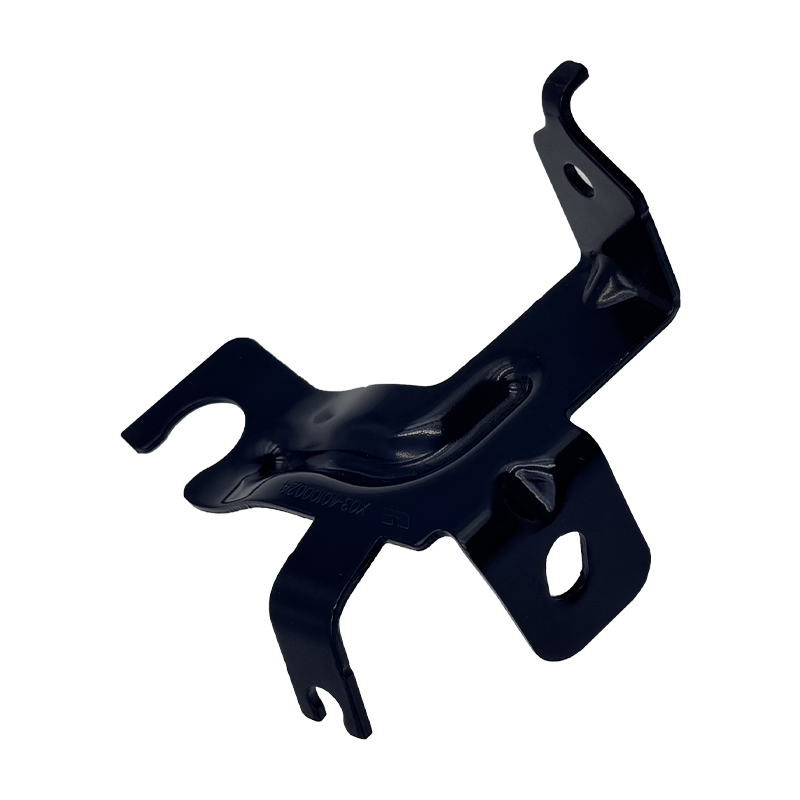
Proper installation is as critical as selecting the correct bracket. A poorly installed bracket can itself become a source of failure, causing more harm than good.
A meticulous approach ensures a reliable, long-lasting installation. Begin by thoroughly planning the harness route, identifying all potential interference points with moving components, sharp edges, and heat sources. Once the route is planned, test-fit the bracket without the harness to confirm it mounts securely and aligns with the planned path. Before final mounting, prepare the surface. For metal brackets on painted or oily surfaces, clean the area with a suitable solvent to ensure a solid ground connection if needed and to prevent the fastener from loosening. When dealing with a ABS plastic wiring harness holder, ensure the mounting surface is clean and free of debris to allow for a secure fit, especially if using adhesive or plastic push-in fasteners. Insert the wiring harness into the bracket's retaining feature (clip, P-clamp, etc.). A crucial rule is to never over-tighten P-clamp bolts, as this can deform the harness jacket and damage the wires inside. Tighten just enough to prevent harness movement. Finally, secure the bracket to the vehicle using the appropriate fastener—often a bolt, screw, or plastic push rivet. Always use thread-locking compound on metal fasteners in high-vibration areas to prevent them from backing out over time.
Several common mistakes can compromise the entire wiring system. One major error is incorrect spacing between bracket mounting points. Supports that are too far apart allow the harness to sag and vibrate excessively, leading to fatigue. As a general guideline, brackets should be spaced at intervals that prevent any section of the harness from deflecting more than a few inches under its own weight. Another critical mistake is ignoring the bend radius. Every wire and harness has a minimum bend radius specified by the manufacturer. Bending the harness too tightly around a bracket can stress the internal conductors and insulation, leading to premature failure. Furthermore, failing to provide proper strain relief near connectors is a common oversight. The bracket closest to a connector should be positioned so that any tugging on the wire bundle is absorbed by the bracket and clamp, not by the delicate pins inside the connector. This is a fundamental principle of a robust custom automotive cable mounting solution. Lastly, a frequently underestimated challenge is protecting the harness from corrosion resistant brackets for underbody wiring. Simply using a stainless steel bracket is not enough; the fasteners must also be of a compatible material (e.g., stainless steel bolts) to prevent galvanic corrosion, which can quickly seize components and weaken the mount.
The evolution of vehicles, particularly towards electrification and increased autonomy, is driving innovation in wiring harness support systems.
Electric vehicles (EVs) introduce new challenges. High-voltage battery cables and wiring are thicker, heavier, and require mandatory separation from low-voltage systems. Brackets for these applications must be exceptionally robust, often using high-strength aluminum or composites, and are designed with clear physical barriers to maintain segregation. They also frequently incorporate bright orange coloration or clear labeling as a safety standard. The push for lightweighting to extend EV range makes materials like advanced composites and engineered thermoplastics even more attractive. Furthermore, the proliferation of Advanced Driver-Assistance Systems (ADAS) sensors like radars, lidars, and cameras requires extremely precise and stable mounting solutions. Any vibration or movement in the bracket supporting a sensor's wiring can affect calibration and data integrity, necessitating brackets with enhanced damping characteristics or active stabilization features.
The future of brackets lies in integration and intelligence. Additive manufacturing (3D printing) allows for the creation of highly complex, lightweight, topology-optimized brackets that would be impossible or too costly to produce with traditional methods. This is ideal for low-volume or universal wiring harness bracket for custom builds in prototyping. Another trend is the move from passive brackets to integrated wiring channels. These are modules that combine structural support with built-in raceways and connectors, simplifying assembly and reducing parts count. Looking ahead, the concept of smart brackets is emerging. These could incorporate embedded sensors to monitor harness health, detecting factors like excessive temperature at a chafe point, abnormal vibration levels, or moisture intrusion—proviring diagnostic data before a failure occurs. While not yet mainstream, this integration of function and diagnostics represents the next logical step in ensuring the relentless reliability demanded by next-generation vehicles.
Contact Us
Telphone:+86-15850033223 E-mail:[email protected] Address:No. 2566 Huan Qing Road, Kunshan city, Jiangsu, P.R.CCustom Professional Metal Mold Design & Fabrication Suppliers


 English
 中文简体
中文简体 Deutsch