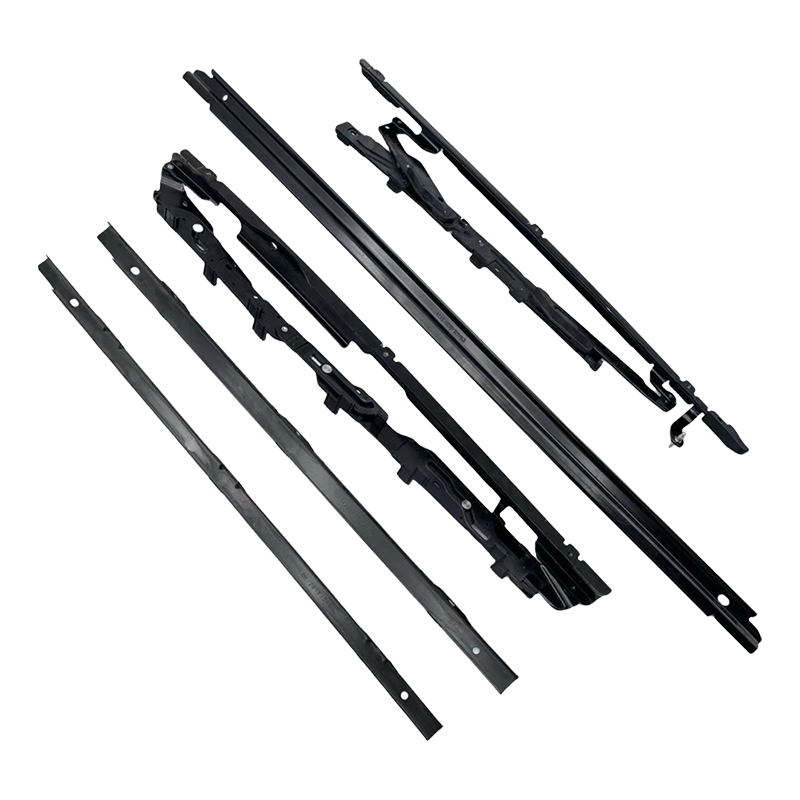
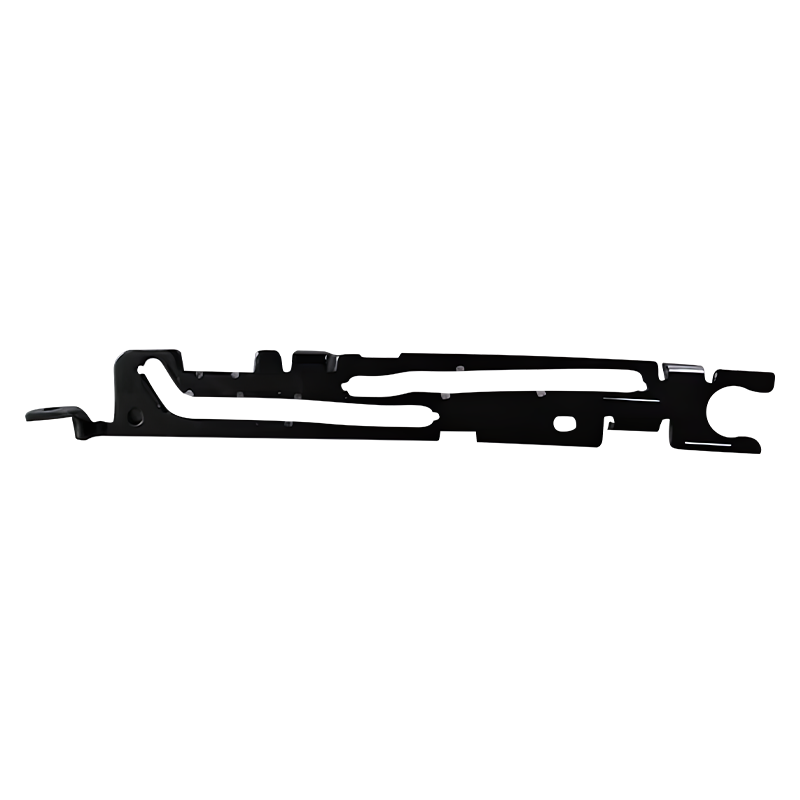
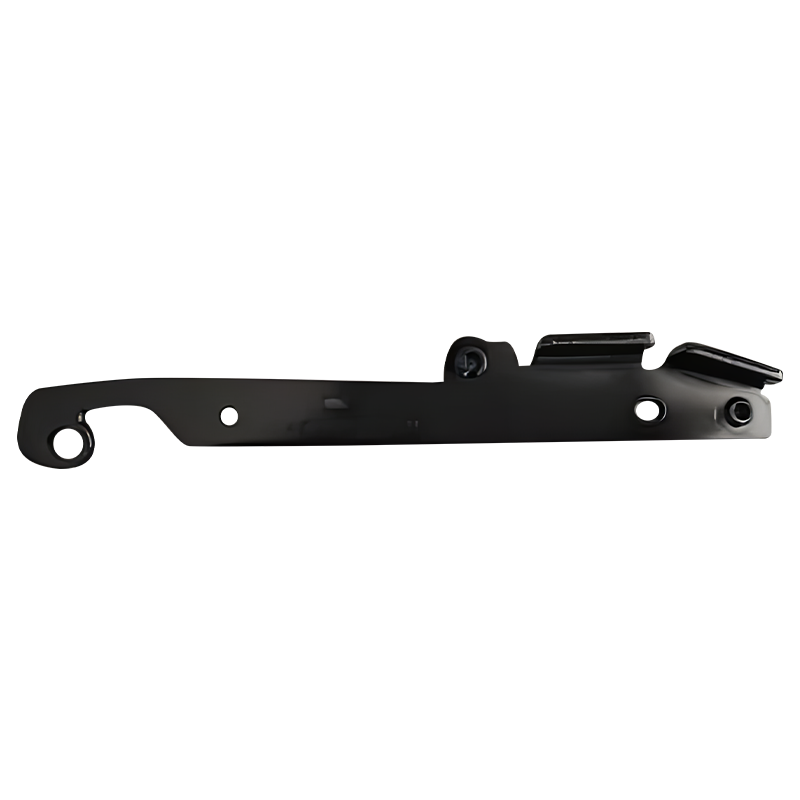
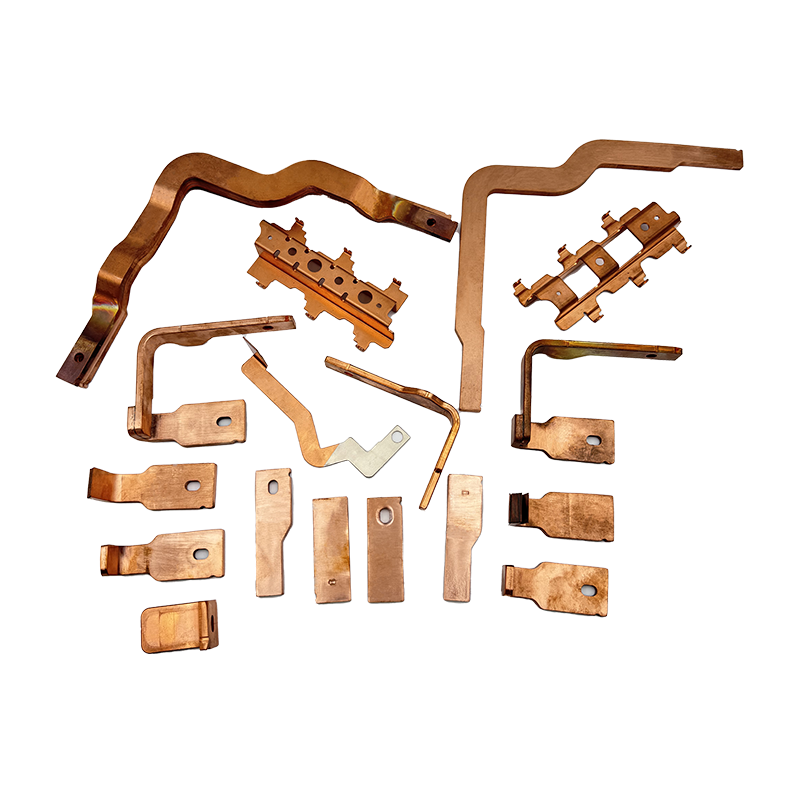
The global automotive industry is experiencing a fundamental transformation as chassis parts demand reaches unprecedented levels. This surge represents more than just market growth—it signals a complete reimagining of vehicle architecture driven by electrification, autonomy, and sustainability requirements. The chassis, once considered a static component of vehicle design, has emerged as the central nervous system for next-generation automotive technologies. Industry analysts project that the chassis parts market will grow at a compound annual growth rate of 8.7% through 2025, with particular strength in emerging technologies and materials. This growth trajectory reflects deeper shifts in manufacturing priorities, consumer expectations, and regulatory frameworks that are reshaping the entire automotive ecosystem. The convergence of these factors creates both unprecedented challenges and opportunities for manufacturers, suppliers, and engineers working at the forefront of chassis development.
As the automotive chassis evolves from a structural framework to an intelligent platform, several key technologies are emerging as critical differentiators in vehicle performance, safety, and sustainability. These innovations represent the cutting edge of chassis development and are attracting significant investment from manufacturers worldwide. The technologies span materials science, electronics, manufacturing processes, and design philosophies, collectively transforming how chassis systems function in modern vehicles. Understanding these technologies provides crucial insight into the broader industry shifts occurring through 2025 and beyond. Each represents not just incremental improvement but fundamental rethinking of chassis architecture and its role in the overall vehicle ecosystem.
The materials used in chassis construction are undergoing their most significant transformation in decades, driven by competing demands for weight reduction, strength enhancement, and sustainability. Traditional steel dominance is being challenged by advanced alloys, composites, and hybrid material systems that offer superior performance characteristics. These materials enable chassis designs that were previously impossible, opening new possibilities for vehicle architecture and performance. The shift toward advanced materials represents one of the most capital-intensive aspects of chassis innovation, requiring substantial investment in manufacturing equipment, testing facilities, and engineering expertise. However, the performance benefits are driving rapid adoption despite these challenges.
When evaluating chassis materials, engineers must balance multiple competing factors including cost, weight, strength, manufacturability, and environmental impact. The following comparison illustrates the relative advantages and limitations of primary material categories currently dominating chassis development:
The table below provides a detailed comparison of the key material categories used in modern chassis construction, highlighting their respective advantages and limitations across multiple performance criteria:
| Material Category | Weight Reduction | Tensile Strength | Manufacturing Complexity | Cost Impact | Sustainability Profile |
|---|---|---|---|---|---|
| High-Strength Steel | 15-25% vs conventional steel | 800-1600 MPa | Moderate | Low to Moderate | Highly recyclable |
| Aluminum Alloys | 40-50% vs conventional steel | 200-500 MPa | High | Moderate to High | Energy-intensive production |
| Carbon Fiber Composites | 50-60% vs conventional steel | 600-700 MPa | Very High | Very High | Limited recyclability |
| Hybrid Material Systems | 30-45% vs conventional steel | Varies by configuration | Extremely High | High to Very High | Mixed |
The material selection process has become increasingly complex as new options emerge and performance requirements escalate. High-strength steel continues to dominate volume production due to its favorable balance of cost, performance, and manufacturability. However, aluminum adoption is growing rapidly in premium segments where weight reduction is critical. Carbon fiber composites remain limited to specialized applications due to cost and manufacturing constraints, though advancing production technologies may expand their role. Hybrid material systems represent the frontier of chassis material science, combining different materials in optimized configurations to achieve performance characteristics impossible with single-material approaches. These systems typically use advanced joining technologies including adhesive bonding, mechanical fasteners, and specialized welding techniques to integrate dissimilar materials effectively.
The transition to electric vehicles represents the single most disruptive force in chassis design since the transition from body-on-frame to unibody construction. Electric vehicles demand fundamentally different chassis architectures to accommodate battery packs, electric motors, power electronics, and new thermal management systems. This architectural shift creates both constraints and opportunities that are reshaping chassis design philosophies across the industry. The flat, platform-style chassis has emerged as the dominant approach for electric vehicles, providing optimal packaging for battery systems while enabling lower centers of gravity and improved structural efficiency. This represents a significant departure from traditional ICE vehicle chassis layouts that were organized around mechanical drivetrain components.
The integration of high-voltage battery systems presents unique challenges for chassis engineers, requiring careful consideration of crash safety, weight distribution, thermal management, and serviceability. The battery enclosure has evolved from a simple protective container to a structural component that contributes to overall chassis stiffness and crash energy management. This integration demands sophisticated engineering approaches and advanced simulation techniques to ensure optimal performance across all operating conditions. The weight of battery systems, typically ranging from 300-600 kg in current electric vehicles, creates unprecedented demands on suspension components, braking systems, and structural members. Engineers must develop chassis systems capable of managing these mass increases while maintaining or improving vehicle dynamics, ride comfort, and safety performance.
The development of lightweight suspension components represents a critical frontier in electric vehicle optimization, where every kilogram reduced directly translates to extended range and improved performance. Electric vehicles present unique challenges for suspension design due to their increased mass, different weight distribution, and packaging constraints imposed by battery systems and electric drivetrains. Engineers are responding with innovative approaches that combine advanced materials, optimized geometries, and new manufacturing techniques to achieve weight reductions without compromising durability or performance. The pursuit of lighter suspension components is driving adoption of forged aluminum, magnesium alloys, and composite materials in applications where steel previously dominated.
The transition to lightweight suspension components involves careful consideration of multiple performance factors beyond simple mass reduction. Component stiffness, fatigue life, corrosion resistance, and cost must all be balanced against weight savings to ensure overall system performance. Advanced simulation tools enable engineers to optimize component designs for minimal mass while meeting stringent performance targets. The manufacturing processes for these components are also evolving, with techniques like hydroforming, precision forging, and additive manufacturing enabling geometries that were previously impossible or economically unviable. These manufacturing advances complement material innovations to create a new generation of suspension components specifically engineered for the demands of electric vehicles.
As vehicle longevity expectations increase and operating environments become more diverse, advanced corrosion protection has emerged as a critical differentiator in chassis quality and durability. Traditional coating systems are being supplemented or replaced by sophisticated multi-layer protection strategies that provide enhanced resistance to environmental factors, road chemicals, and mechanical damage. These advanced coating systems represent a significant engineering challenge, requiring careful formulation to achieve optimal adhesion, flexibility, hardness, and chemical resistance while maintaining cost-effectiveness. The development of these coatings involves extensive testing under simulated and real-world conditions to validate performance across the vehicle's expected service life.
Modern chassis coating systems typically employ a layered approach that combines different coating technologies to address specific threats. Common configurations include electrocoated primers for comprehensive coverage, intermediate layers for stone chip resistance, and topcoats for environmental protection. Newer technologies like nano-ceramic coatings, self-healing polymers, and advanced cathodic protection systems are pushing the boundaries of corrosion protection while addressing environmental concerns associated with traditional coating chemistries. The application processes for these coatings have also evolved, with advanced robotic application, controlled curing environments, and sophisticated quality control measures ensuring consistent coverage and performance across complex chassis geometries.
The transition toward autonomous driving systems places unprecedented demands on steering components, particularly steering knuckles that must deliver exceptional precision, reliability, and durability under continuous operation. Traditional steering knuckle designs are being reengineered to meet the rigorous requirements of autonomous vehicles, which depend on exact steering control for path following, obstacle avoidance, and overall system safety. These high-performance steering knuckles incorporate advanced materials, precision manufacturing, and sophisticated design features to achieve the stiffness, dimensional stability, and fatigue resistance necessary for autonomous applications. The development process involves extensive simulation, prototyping, and validation testing to ensure performance across all anticipated operating conditions.
Autonomous vehicle steering knuckles differ from conventional designs in several critical aspects. Stiffness requirements are significantly higher to ensure precise wheel control and accurate response to steering commands. Durability standards are more stringent due to expected continuous operation and safety-critical nature of the application. Integration with electric power steering systems, wheel speed sensors, and other chassis electronics requires careful packaging and shielding considerations. Materials selection has shifted toward forged aluminum and magnesium alloys that offer favorable stiffness-to-weight ratios, though high-strength steel and ductile iron remain important for certain applications. Manufacturing processes emphasize dimensional precision and consistency, with advanced machining, heat treatment, and quality control measures ensuring component-to-component uniformity.
The growing popularity of off-road recreation and overlanding has created robust demand for aftermarket chassis reinforcement components that enhance vehicle capability and durability in extreme operating conditions. These components address specific weaknesses in production vehicle chassis systems, providing additional strength and protection where needed for serious off-road use. The aftermarket segment has responded with sophisticated reinforcement solutions including frame braces, suspension mounting reinforcements, skid plates, and structural supports engineered to withstand impacts, extreme flexing, and sustained heavy loading. These components represent a significant engineering challenge, requiring careful analysis of load paths, stress concentrations, and failure modes in the original chassis design.
Effective chassis reinforcement requires comprehensive understanding of vehicle dynamics, materials science, and manufacturing processes. Reinforcement components must integrate with existing chassis structures without compromising vehicle safety systems, creating unwanted stress concentrations, or adding excessive weight. The development process typically involves finite element analysis to identify high-stress areas, prototype fabrication and testing, and real-world validation under controlled off-road conditions. Materials selection emphasizes high-strength steel, aluminum alloys, and occasionally titanium for extreme applications. Installation considerations are equally important, with designs prioritizing minimal modification to original structures, use of existing mounting points where possible, and clear instructions for proper installation. The aftermarket chassis reinforcement segment continues to evolve as vehicle designs change and off-road enthusiasts push the boundaries of vehicle capability.
The commercial vehicle segment is embracing modular chassis architectures as a strategy to address diverse application requirements while leveraging the economies of scale offered by electrification. Modular chassis designs enable manufacturers to create multiple vehicle variants from common underlying structures, reducing development costs and manufacturing complexity while maintaining application-specific optimization. These modular systems typically feature standardized mounting interfaces, modular battery placement options, and configurable component locations that accommodate different body styles, payload requirements, and operational profiles. The approach represents a significant departure from traditional commercial vehicle chassis design, which often involved highly customized solutions for specific applications.
Modular electric commercial vehicle chassis present unique engineering challenges related to structural efficiency, weight distribution, serviceability, and manufacturing. The chassis must provide sufficient strength and stiffness to support varied body configurations and payloads while minimizing weight to preserve battery range. Battery integration requires careful consideration of weight distribution, crash safety, thermal management, and accessibility for maintenance or replacement. The modular approach necessitates sophisticated interface design that ensures reliable connections for high-voltage systems, data networks, and auxiliary components across all vehicle variants. Manufacturing processes must accommodate high mix production while maintaining quality and efficiency. The resulting chassis architectures represent some of the most advanced thinking in commercial vehicle design, balancing standardization and customization in a rapidly evolving market segment.
The global surge in chassis parts demand manifests differently across geographic regions, reflecting varying levels of automotive production, regulatory environments, consumer preferences, and industrial capabilities. Understanding these regional dynamics is essential for comprehending the broader market shift and anticipating future development trajectories. The chassis parts ecosystem is becoming increasingly globalized, with complex supply chains spanning multiple regions, yet distinct regional characteristics continue to influence product strategies, manufacturing investments, and technology adoption patterns. These regional variations create both challenges and opportunities for chassis parts suppliers navigating the 2025 market landscape.
The Asia-Pacific region dominates global chassis parts production, accounting for approximately 65% of manufacturing output and continuing to expand its share through massive investments in production capacity and technological capability. China represents the epicenter of this activity, with comprehensive supply chains supporting both domestic consumption and export markets. The region's dominance stems from decades of strategic investment in automotive manufacturing infrastructure, supported by government policies favoring industrial development and technological advancement. However, the region is far from monolithic, with significant variations in capability, specialization, and market focus across different countries and subregions.
Within the Asia-Pacific region, distinct specialization patterns have emerged as different manufacturing centers develop unique competencies based on historical factors, resource availability, and strategic priorities. These specializations create a diverse ecosystem where different locations excel at specific aspects of chassis parts production, from basic components to advanced systems. Understanding these patterns provides crucial insight into the region's manufacturing landscape and its evolution through 2025.
The North American chassis parts market is undergoing significant transformation driven by electrification, changing trade relationships, and strategic reshoring initiatives. The region benefits from strong domestic demand, advanced manufacturing capabilities, and proximity to major automotive production centers, yet faces challenges related to cost competitiveness and supply chain dependencies. Recent policy initiatives have accelerated investment in domestic production capacity, particularly for components critical to electric vehicles and strategic technologies. This reconfiguration of the North American chassis parts ecosystem represents one of the most significant industrial shifts in decades, with implications for employment, technology development, and regional economic dynamics.
The transition to electric vehicles is reshaping the North American chassis parts manufacturing footprint, creating new geographic patterns of investment and specialization. Traditional manufacturing centers are adapting to new technologies while emerging hubs develop around battery production, electric drivetrain manufacturing, and specialized component fabrication. This geographic redistribution reflects the fundamentally different requirements of electric vehicle production compared to traditional internal combustion engine vehicles. The following table illustrates how different chassis component categories are experiencing varying degrees of geographic redistribution and investment patterns across North America:
| Component Category | Traditional Manufacturing Centers | Emerging Production Hubs | Investment Trend | Technology Transition Impact |
|---|---|---|---|---|
| Frame and Structural Components | Great Lakes region, Ontario | Southern states, Northern Mexico | Moderate growth with technology updates | High impact from material changes |
| Suspension Systems | Michigan, Ohio, Indiana | Tennessee, Kentucky, Alabama | Stable with selective expansion | Medium impact from new requirements |
| Steering Components | Traditional automotive corridors | Technology clusters, border regions | Significant reinvestment and modernization | Very high impact from electrification |
| Braking Systems | Established manufacturing areas | Areas with electronics expertise | Transformation toward electronic systems | Extremely high impact from new technologies |
| Electronic Chassis Systems | Limited traditional presence | Technology centers, university regions | Rapid expansion and new facility construction | Complete transformation from mechanical systems |
The chassis parts industry transformation extends well beyond 2025, with technological, economic, and regulatory trends converging to create a new paradigm for vehicle architecture and manufacturing. The current surge in demand represents the initial phase of a longer transition toward fully integrated, intelligent chassis systems that serve as platforms for diverse vehicle configurations and functionalities. Understanding this longer-term trajectory provides context for current developments and helps industry participants position themselves for sustained success through multiple phases of technological evolution. The chassis of 2030 will differ more significantly from today's designs than current designs differ from those of a decade ago, reflecting the accelerating pace of innovation in this foundational vehicle system.
The boundary between traditional chassis hardware and vehicle electronics continues to blur as chassis components become increasingly integrated with sensors, controllers, and software systems. This integration enables new capabilities including predictive maintenance, adaptive performance characteristics, and enhanced safety functions, but also creates new challenges related to system complexity, cybersecurity, and validation requirements. The chassis is evolving from a purely mechanical system to a mechatronic platform where hardware and software function as an integrated whole. This transformation requires new engineering approaches, development tools, and validation methodologies that span traditional disciplinary boundaries between mechanical, electrical, and software engineering.
Software is becoming the primary differentiator in chassis performance, enabling characteristics that can be adapted to different driving conditions, user preferences, and functional requirements. This "software-defined chassis" concept represents a fundamental shift from fixed mechanical properties to adaptable, configurable behaviors implemented through electronic controls and algorithms. The software-defined approach enables unprecedented flexibility in chassis tuning, with characteristics that can be optimized for comfort, sportiness, efficiency, or specific driving scenarios through software configuration rather than hardware changes. This capability creates new business models, user experiences, and development processes that are reshaping how chassis systems are designed, manufactured, and supported throughout their lifecycle.
Environmental considerations are increasingly influencing chassis design, manufacturing, and end-of-life processing as regulatory pressures and consumer preferences drive adoption of more sustainable practices. The chassis represents a significant portion of a vehicle's environmental footprint due to material content, manufacturing energy consumption, and potential for recycling or reuse. Addressing these impacts requires comprehensive approaches that span material selection, manufacturing processes, operational efficiency, and circular economy strategies. The industry is responding with initiatives ranging from lightweighting for improved fuel efficiency to developing closed-loop material systems that minimize waste and resource consumption.
Comprehensive lifecycle assessment has become standard practice for chassis development, providing quantitative understanding of environmental impacts across all phases from material extraction through manufacturing, use, and end-of-life processing. This assessment informs design decisions, material selections, and manufacturing process choices that collectively determine the chassis environmental footprint. The most advanced development programs now treat environmental performance as a primary design criterion alongside traditional metrics like cost, weight, and durability. This integrated approach enables systematic reduction of environmental impact while maintaining or improving technical and economic performance. The focus on lifecycle environmental performance represents a significant evolution in chassis engineering philosophy, reflecting broader societal priorities and regulatory trends that will continue shaping the industry through 2025 and beyond.
Contact Us
Telphone:+86-15850033223 E-mail:[email protected] Address:No. 2566 Huan Qing Road, Kunshan city, Jiangsu, P.R.CCustom Professional Metal Mold Design & Fabrication Suppliers


 English
 中文简体
中文简体 Deutsch